Dormant Legacy of Fire in the British Landscape
In Dormant Legacy of Fire in the British Landscape: Wennington, Essex, 2022, Alan McFetridge reflects on the historical role of fire in shaping the British landscape and its cultural significance. Visiting Wennington after the 2022 wildfire, he contrasts this rare event with fire's past presence in land management and ecological regeneration. Through his photograph of a kestrel amidst the aftermath, McFetridge highlights the return of fire as an urgent force in the landscape, shaped by both nature and climate change.
The landscape of the British Isles once bore the imprint of fire, a force so central to the environment that it even shaped the names of towns like Brentwood and Burnham. Over a thousand years ago, fire was a natural and essential part of the landscape for land management, clearing vegetation, and promoting ecological regeneration. These towns bear names that trace back to when the fire was an active and joint force in the environment. British rain has kept the flames dormant and they became increasingly rare due to the rise of industrialization and urbanization.

Plume and Kestral, Wennington, 2022 © Alan McFetridge
The rarity of events like the Wennington wildfire of 2022 is both striking and unsettling. According to historian Stephen J. Pyne, fire has been absent from much of the UK’s natural cycles, particularly in the North, where controlled landscape burning was once widespread. While places like Brentwood and Burnham reflect a past where fire played a critical role in shaping the landscape, today’s landscape fire incidents have become rare, and when they occur, they are often perceived as a disruption. Fire, however, was also a central force in the Industrial Revolution, fueling the growth of cities, factories, and transportation networks, thus driving the UK’s transformation into a global industrial power. The burning of coal and the widespread use of fire in industrial processes left their lasting mark on the landscape, but the role of fire in nature was diminished as a result.
Fire, however, has not been absent from the cultural and artistic history of the UK. In fact, landscape fire has been used metaphorically in British art and literature for centuries, often reflecting themes of destruction, renewal, and the sublime. The fires of the Industrial Revolution, for example, were immortalized in the paintings of J.M.W. Turner, whose depictions of London’s burning chimneys and industrial landscapes captured both the power and devastation of fire. Meanwhile, poets such as William Blake, with his vivid depictions of fiery visions in works like The Tyger, and later, more modern poets, have used fire to symbolise transformation and social upheaval. Yet, the landscape fires of nature, which once played a vital role in shaping the land, rarely appear in these works. This absence is part of a larger cultural shift in which fire became more associated with the destructive forces of industrialisation rather than its regenerative potential in the wild.
While a relatively small event compared to global wildfires, the Wennington fire reawakens this dormant legacy of fire in the British landscape. It serves as a reminder that fire’s ecological role has been largely forgotten in the UK, yet it is a force we must reckon with once again as climate change accelerates the risk of more frequent and severe wildfires. The return of fire to the landscape is not just an environmental challenge but also a cultural one as we reconsider our historical relationship with fire in both nature and art.
I visited Wennington shortly after the fire, between July 22 and July 25 to explore the aftermath. Unlike my other fire studies, which involved travelling thousands of miles to remote locations, this one felt disarmingly close to home. A short 20-minute train journey from my East London studio brought me to the edge of London and Essex, where the land had been freshly transformed by fire. Like most fire aftermaths, the area was cordoned off by emergency services, leaving me to work along its edges, observing from a distance. I used my sense of smell to guide me down a lane near the village. There was no smoke, only the stillness of a land in shock.
As I set up my tripod-mounted camera, working out a composition of a burn fence line to represent a boundary crossing, I looked up—and a plume of smoke suddenly appeared, rising gently into the sky. At that exact moment, a kestrel appeared, flying directly in front of the camera. Birds of prey are known to circle fires, looking for fleeing animals, and this kestrel seemed to embody that instinct. The photograph accompanying this piece invites viewers to reflect on our relationship with fire: once a partner in shaping the land, now a force that will once again become a common element of the British landscape. - A.M.
Become a paid subscriber and support our team. Call yourself a CEP member or a founding member by joining our Substack
Don’t forget to follow us on Instagram.
On The Line - Upcoming Release on Metalable, Late 2024
The final 15 copies of the first edition of On The Line, numbers 460 to 475, are being released with a set of three unique prints on washi paper on Metalable in May 2024.
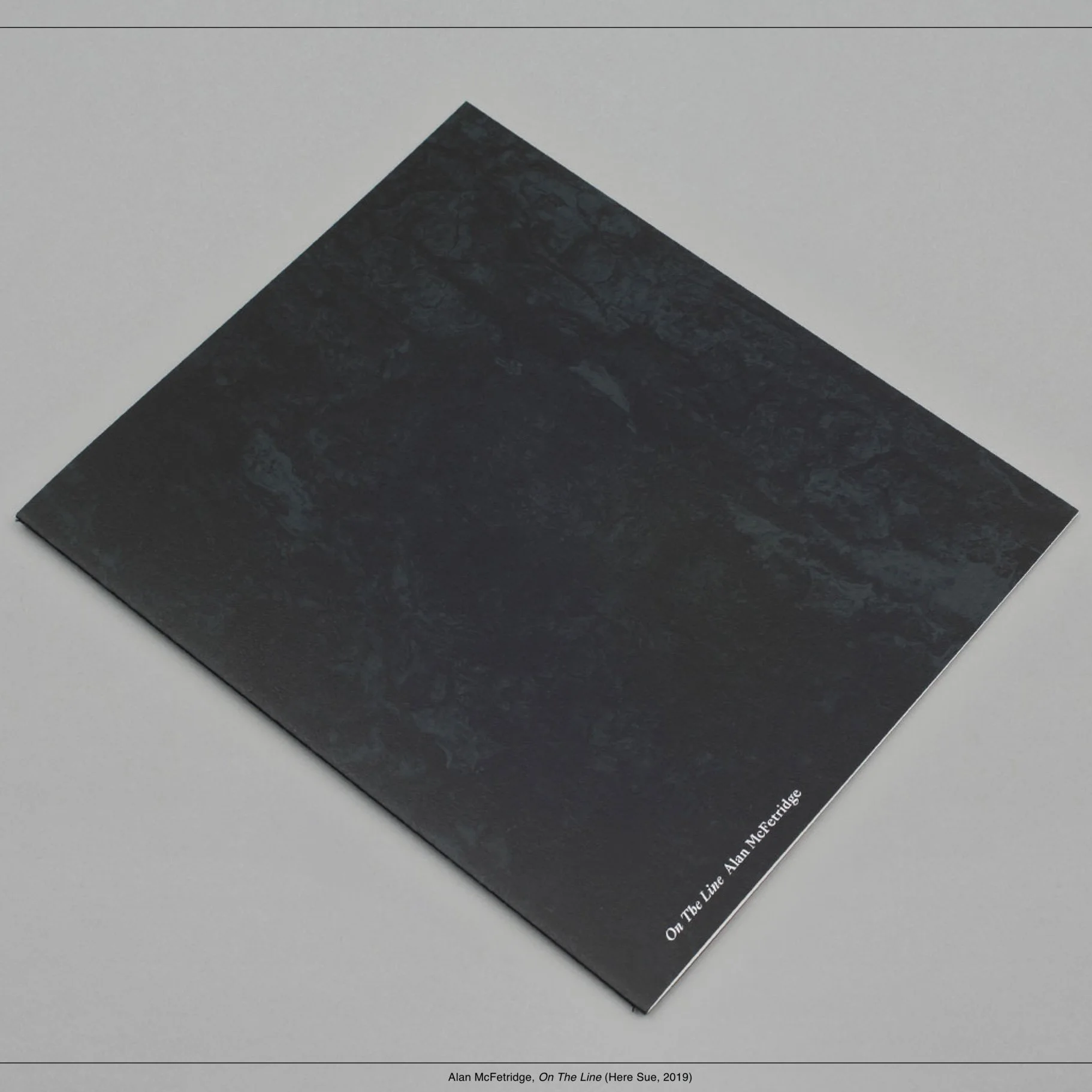
Above: On The Line - Photobook: Signed and Numbered Edition, H: 394mm x W: 330mm
The final 15 copies of the first edition of On The Line, numbers 460 to 475, are being released with a set of three unique prints on washi paper on Metalable in May 2024.
On The Line explores Canada’s largest evacuation and the most costly natural disaster in its history and the complex relationship between boreal fires and their impact on social and economic dynamics in the early 21st century.
Reviews:
“A brave and visionary response. One that strikes close to home” - Robert Adams, Photographer.
-
“Most impressive. I love the cover and have been running my fingers over it, tilting it back and forth under my light.
Very bituminous!
And it’s great to see the photos so large, almost window-sized.
They really put you there - struggling trees and huge, implacable vehicles - two motivations at diametric odds with one another”. - John Vaillant, author of Fire Weather, 2023.
-
“A powerful collection Alan” - Maria Lisogorskaya, Turner Prize Winning Artist and Architect.
-
“...There is a strange, melancholic grace in these images; one whose power contains multiplicities. Not only are each of these photos a spectacle of nature’s waning resilience, they reiterate our implication in the destruction of the natural world…” Michael Steven, poet.
About:
Photographer and Artist Alan McFetridge travelled to Fort McMurray six months after the evacuation. Sensitive to the trauma, he photographed trees on the edges of Highway 63, which became jammed to a standstill during the evacuation from the firestorm. Testament to the collective mindset of the community here, 90,000 people bravely inched away without panic to safety, with everyone surviving.
This is the first publication of his ten-year study on Landscape Fire.
Materials:
The book is made from 100% plant-based and recycled materials.
Proceeds:
Proceeds go towards touring the project and supporting the interdisciplinary Centre of Ecological Philosophy.

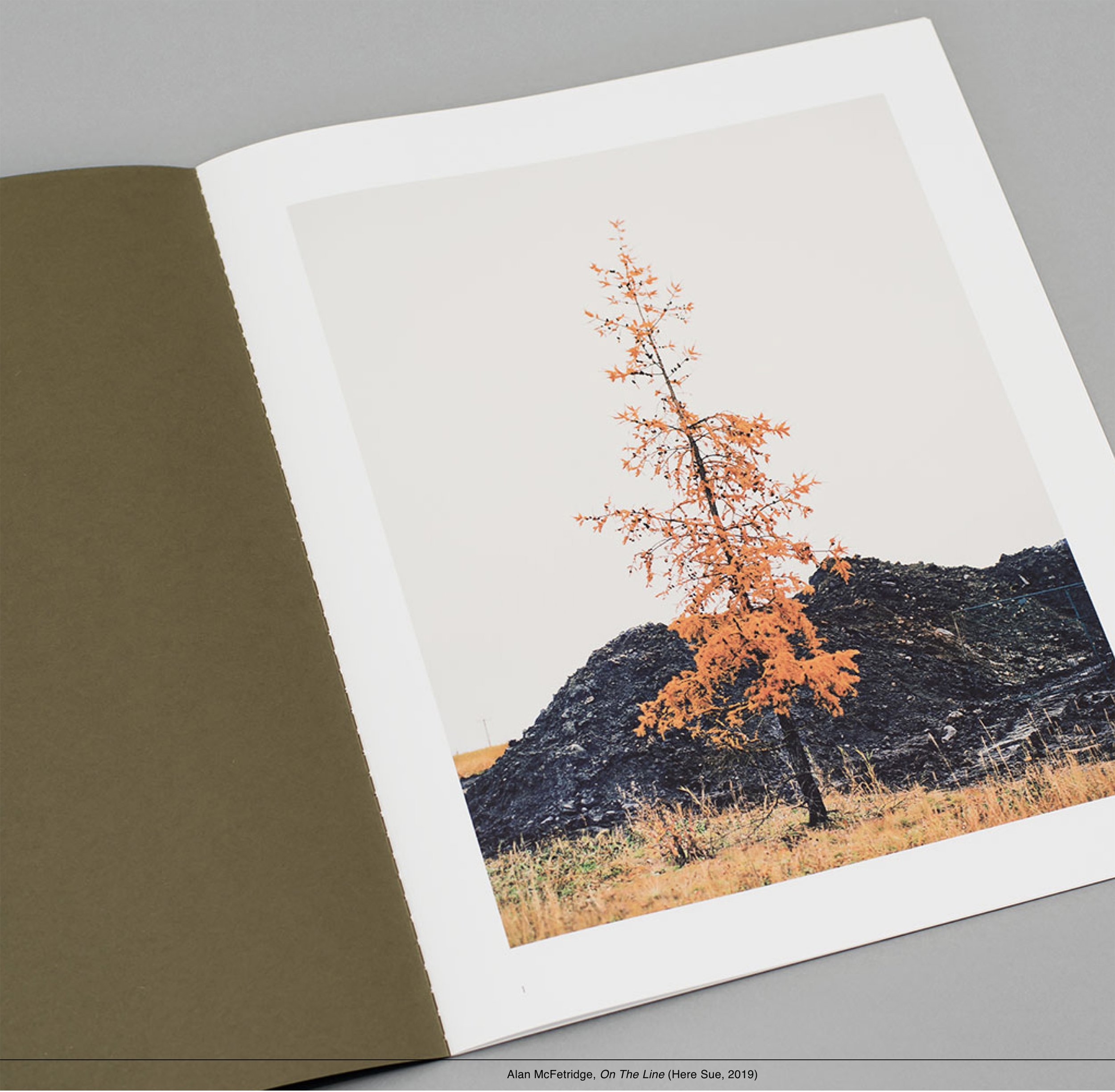
Above: Page 3.


Above: Packaged into an archival Glassine Slip Bag
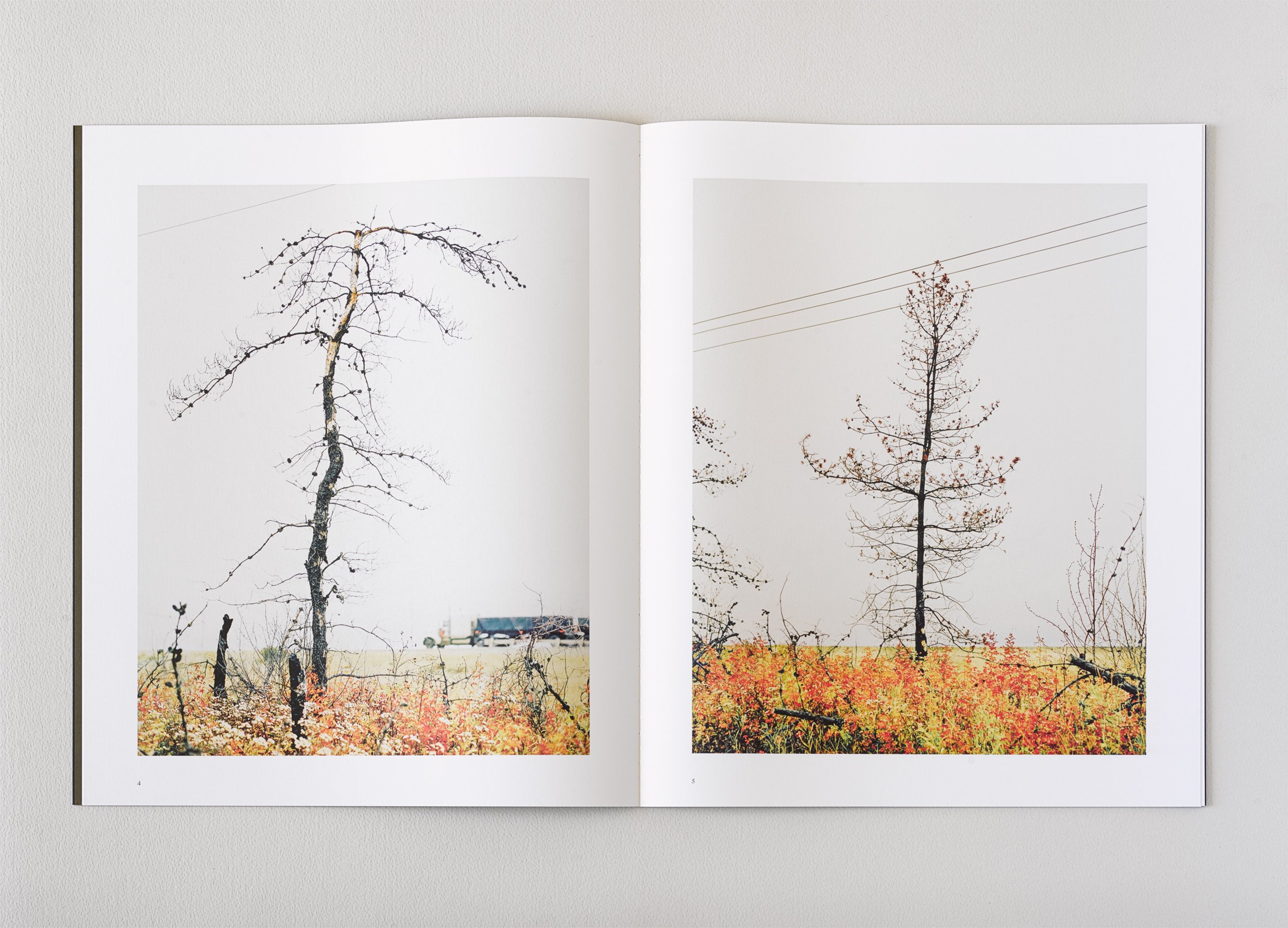
Above: pages 4 & 5.
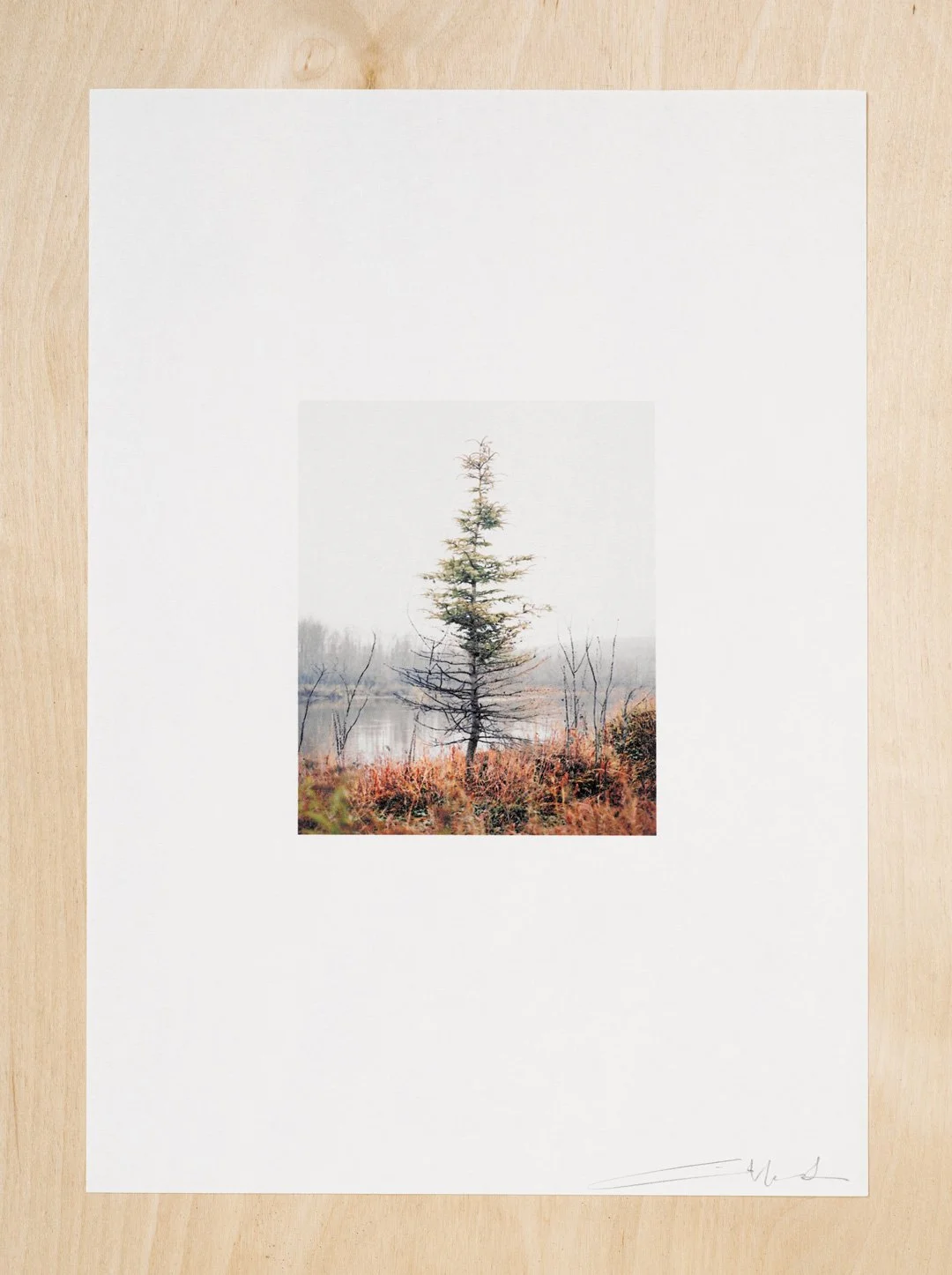

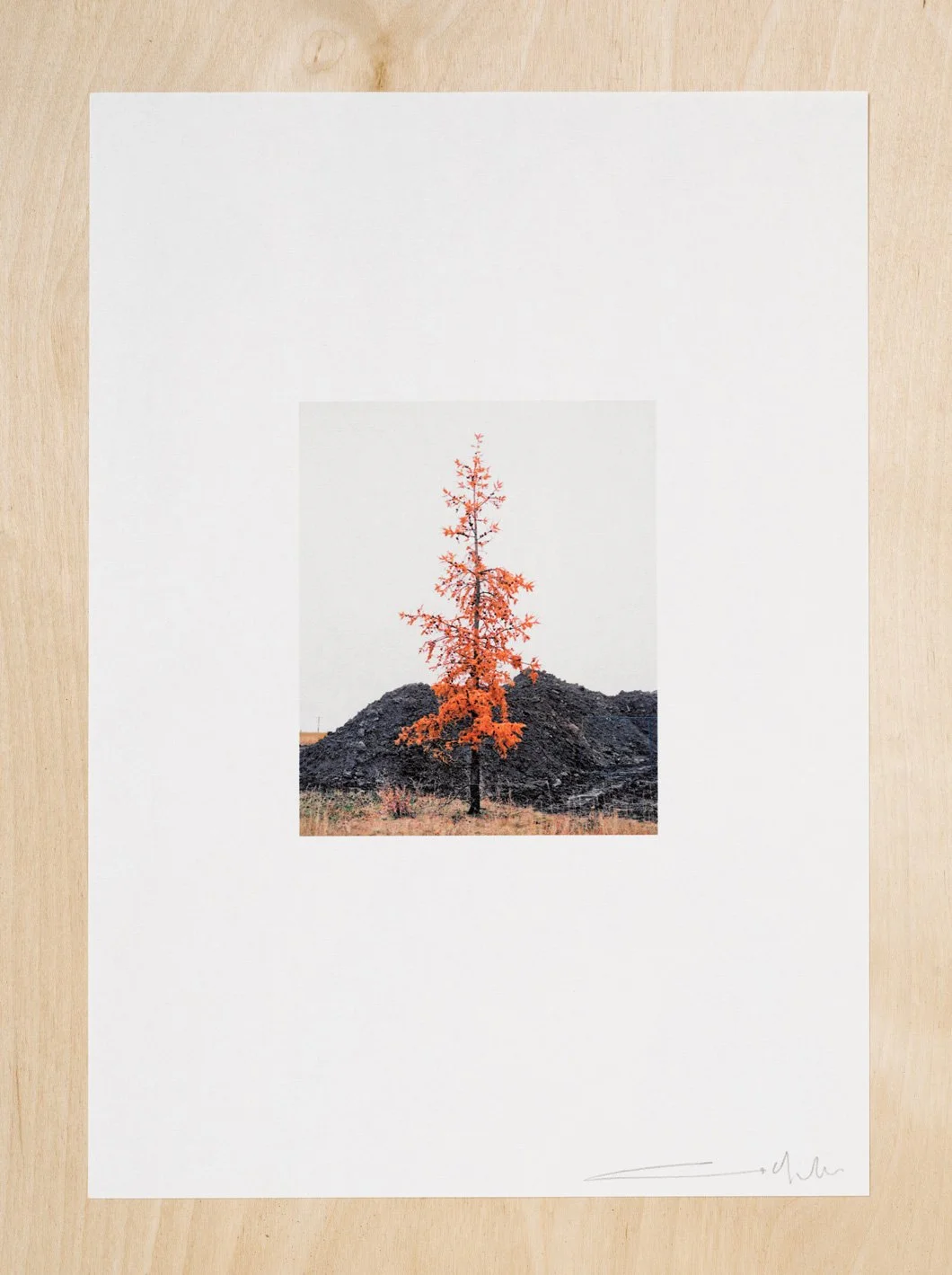
Above: Three 210mm x 297mm washi paper prints are included in this release
5 Nominations for the Prix Pictet, The Global Award for Photography and Sustainability
The photography work on dispossession has received 5 nominations for the ninth cycle of the Prix Pictet themed - Fire.
Pleased that the work on dispossession has received 5 nominations for the ninth cycle of the Prix Pictet themed - Fire.
Thanks to everyone that has contributed and become friends along the way. It's a nice feeling, sense of more people coming together to accelerate change, showing that piecemeal offers are not enough. We’ll enjoy this, in the hope the exhibition can show the extent and conditions of our now fiery planet. What it means. No celebrations here until significant and rapid changes to global landcare are made, with adaptation of wide spread, long term ecological philosophy - the work will and must continue in earnest - as -‘tears on the faces of stone, they are our own tears’ - James K. Baxter.
Thank you kindly,
Alan.
#newworld #nature #environment #fire #gesamtkunstwerk #photography #philosophy #environment #wildfire #landcare #knowledge # #forest #boundary #frontier #ecology #together

Artist Member of Gallery Climate Coalition
Waste and excess is no longer something to be indifferent about. The concerns of many are being addressed here by the Gallery Climate Coalition through quality information and solutions.
I am pleased to be taking part in GCC’s objectives. Waste and excess is no longer something to be indifferent towards. The concerns of many are being addressed here with quality information and solutions.
The GCC evolved out of shared concern across the commercial art world that not enough is being done to tackle our collective environmental impact. Although public institutions have been taking significant steps to reduce their carbon footprint and control waste for some time, there seemed to be a lack of equivalent initiatives in the commercial sector. This prompted a group of us to set about developing the tools, strategies, and research required to help make a positive change. This is a work in progress. We hope you will join us and make this coalition as effective as possible.
Please email me if you have any questions.
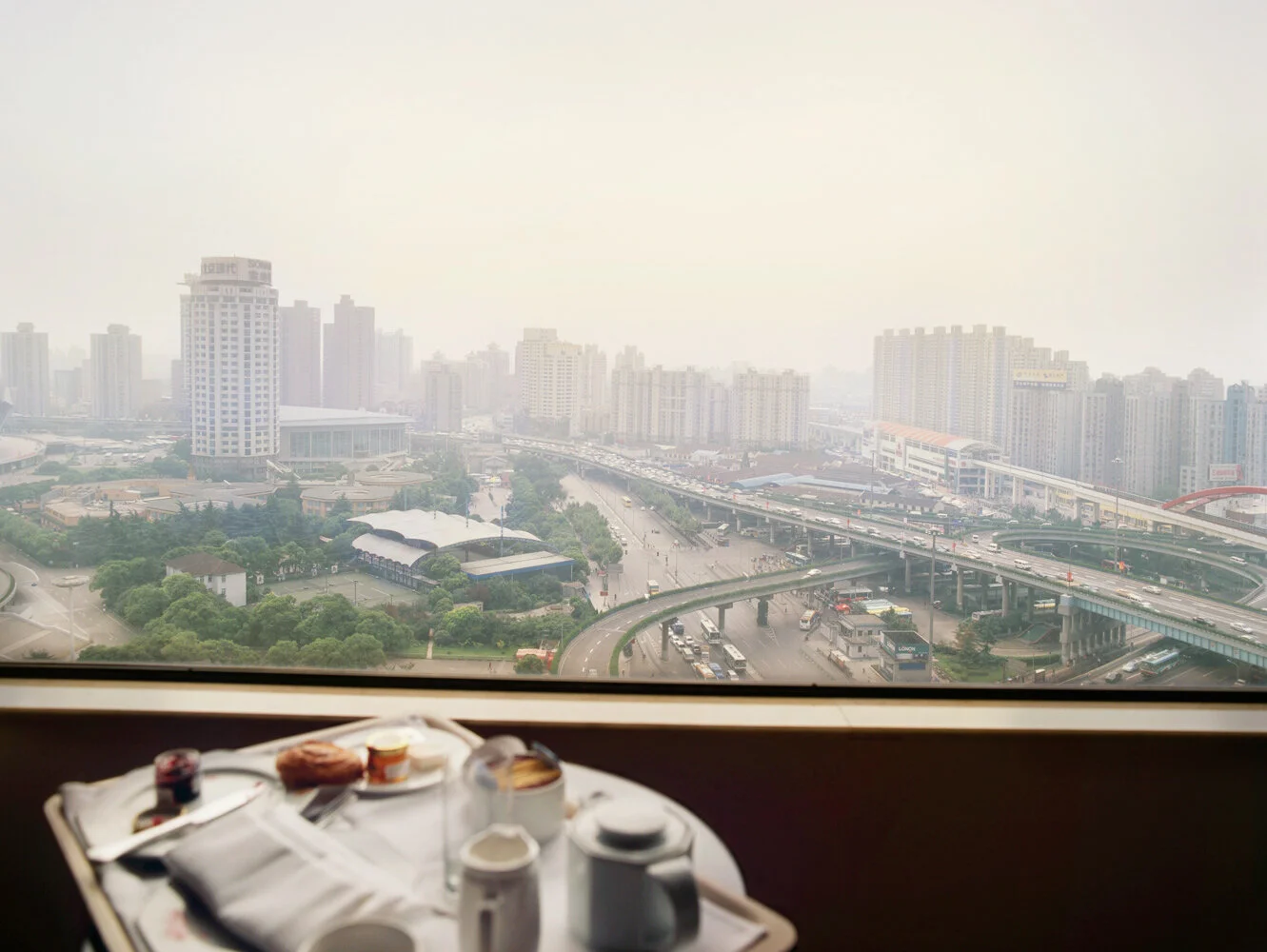
Hotel Room and Smog, 2005. © Alan McFetridge
Wonder + Dread, New Works in Exhibition at Shoalhaven Region Gallery, NSW
Wildfires. Cyclones. Floods. Droughts. Australia is no stranger to extreme weather. These calamitous events, wreaking human and environmental devastation, are central to our shared history and mythology..”
Wonder + Dread: Art in the Land of Weather Extremes.
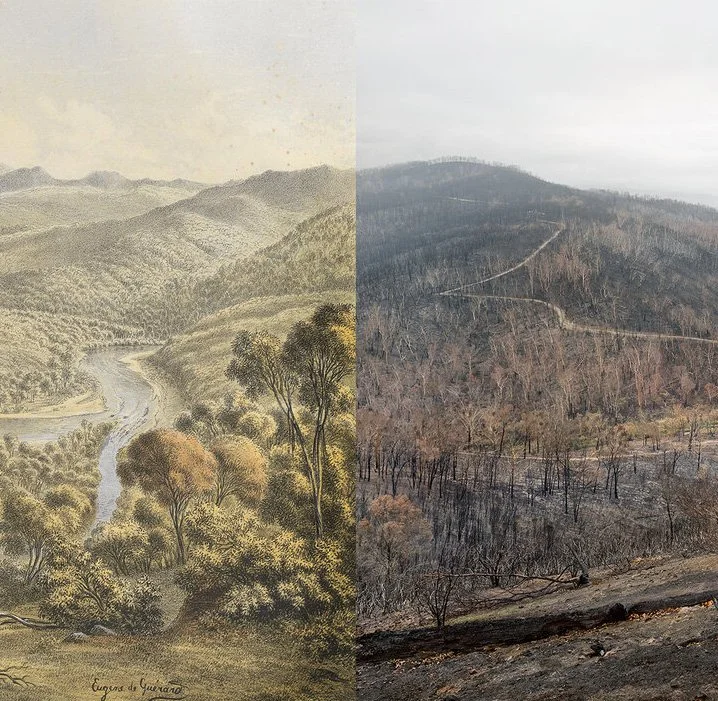
Pleased to announce two new works are included in Wonder + Dread and it is very special to be apart of this crucial debate. Both works are recent diptychs that span 189 years of landscape and applied geographic moderation. The works form part of a project on fire that began 2016.

Junction of the Buchan and Snowy Rivers, Gunaikurnai Country (1881- 2020), 2020,
pigment ink print, diptych: 32.6 × 113cm.
Works Included
1. Junction of the Buchan and Snowy Rivers, Gunaikurnai Country (1881- 2020), 2020
pigment ink print, diptych: 32.6 × 113cm (above)
2. The River Derwent and Hobart Town, Lutruwita (c1831- 2019)
pigment ink print, diptych: 32.6 × 86cm
‘In this series of diptychs, Alan McFetridge has placed prints of 19th century Australian landscape paintings alongside recent photographs taken at the same locations. These comparisons reveal three perspectives. The 19th Century works present a vision of the Australian landscape through a colonial lens. What those early artists unknowingly also captured was a landscape under the careful management of First Nations Peoples. We see thinned trees, epicormic growth, burnt logs within open park-like vistas and fuel reduction. The 20th Century views offer a startling contrast. In Gippsland, the land has been decimated by Black Summer fires. In Tasmania the once carefully managed land has been overrun by trees and scrub.’
-
Reviews
The Australian - Review, Wonder and Dread at Shoalhaven Regional Gallery by Christopher Allen
Alan McFetridge has rephotographed the sites of two colonial views, John Glover’s The River Derwent and Hobart Town (c. 1831) — a picturesque area named “Salvator’s Glen” in recollection of the 17th-century landscapes of the Neapolitan Salvator Rosa — and Eugene von Guerard’s lithograph of the Junction of the Buchan and Snowy Rivers (Plate 9 in Eugene von Guerard’s Australian landscapes, 1866-68). His photographs — of the first site overgrown and the second devastated by bushfire — are set beside reproductions of the originals.
The accompanying label claims that the two painters unwittingly recorded landscapes managed by traditional Aboriginal burning, the cessation of which has brought them to their present state. This may be true, although neither site corresponds to the grassy plains that were particularly noticed by early colonists — some of whom did realise that the Aborigines regularly burned the land — and Von Guerard’s view does not show any obvious signs of fire; there are, however, burnt stumps on the left of Glover’s view and epicormic growth — leaves growing straight from the trunk — on one large tree on the right in particular.
Of course not all fires were either deliberately lit or managed, so it is hard to be sure what happened in this case. The most catastrophic early wild fires recorded and documented in Australia were the Black Thursday Bushfires in Victoria in 1851, the culmination of a terrible drought in the previous year. The fires were witnessed by William Strutt, who made sketches at the time and completed his dramatic painting of the subject after his return to England in 1864. The exhibition contains a reproduction of this painting and one of its studies.
Art Guide Australia by Barney Smith
“Although WONDER + DREAD features a stunning array of art in a Western tradition that seeks to capture and make sense of the spectacular brutality of the Australian climate, Robson is keen to emphasise that the spirit of ancient knowledge hovers decisively over her show too, and that certain things may be revelatory for visitors.” - Barney Smith for Art Guide Australia.
Curator Danielle Robson replies to Barnaby Smith “A key theme that emerged [in WONDER + DREAD] is the tension between the colonial perspective of the Australian landscape as harsh, inhospitable and uninhabitable, and the approach to landscape of First Nations people, who practised traditional land management and thrived for tens of thousands of years,” says Robson.
Full article here
-
Exhibition Details
WONDER + DREAD: Art in the Land of Weather Extremes
Shoalhaven Regional Gallery
12 December – 30 January
Wildfires. Cyclones. Floods. Droughts. Australia is no stranger to extreme weather. These calamitous events, wreaking human and environmental devastation, are central to our shared history and mythology. Those of particular ferocity acquire names that carry through the ages - the Federation Drought, Cyclone Tracey, Black Saturday. And yet, the colossal power of extreme weather systems that indiscriminately obliterate everything in their path leaves us in a state of awe.
Against a backdrop of increasingly frequent extreme weather events, WONDER + DREAD: Art in the Land of Weather Extremes is an ambitious group exhibition of Australian artists that draws on collections from across the country as well as commissioned works to create a thoughtful and nuanced survey of how artists have responded to extreme weather across time.
This exhibition is curated by Danielle Robson of Soda Arts.
Featured Artists
Glenn Barkley, Arthur Boyd, Sam Byrne, Max Dupain, Samuel Elyard, Helga Groves, Rosemary Laing, Marcia Macmillan, Aunty Deidre Martin & Nicole Monks, Alan McFetridge, Joseph McGlennon, Lara Merrett, Sidney Nolan, Susan Norrie, Lloyd Rees, Michael Riley, Cameron Robbins Luke Shadbolt, William Strutt and Albert Tucker.
Acknowledgements
Country, Danielle Robson, David Bowman, Bill Gamage &
Eugene von Guérard (1811 - 1901) Junction of the Buchan and Snowy Rivers, Gippsland (1867)
Provided by National Gallery of Victoria, Melbourne
John Glover, The River Derwent and Hobart Town, c 1851
Reproduction from a digital file courtesy Tasmanian Museum and Art Gallery AG5458
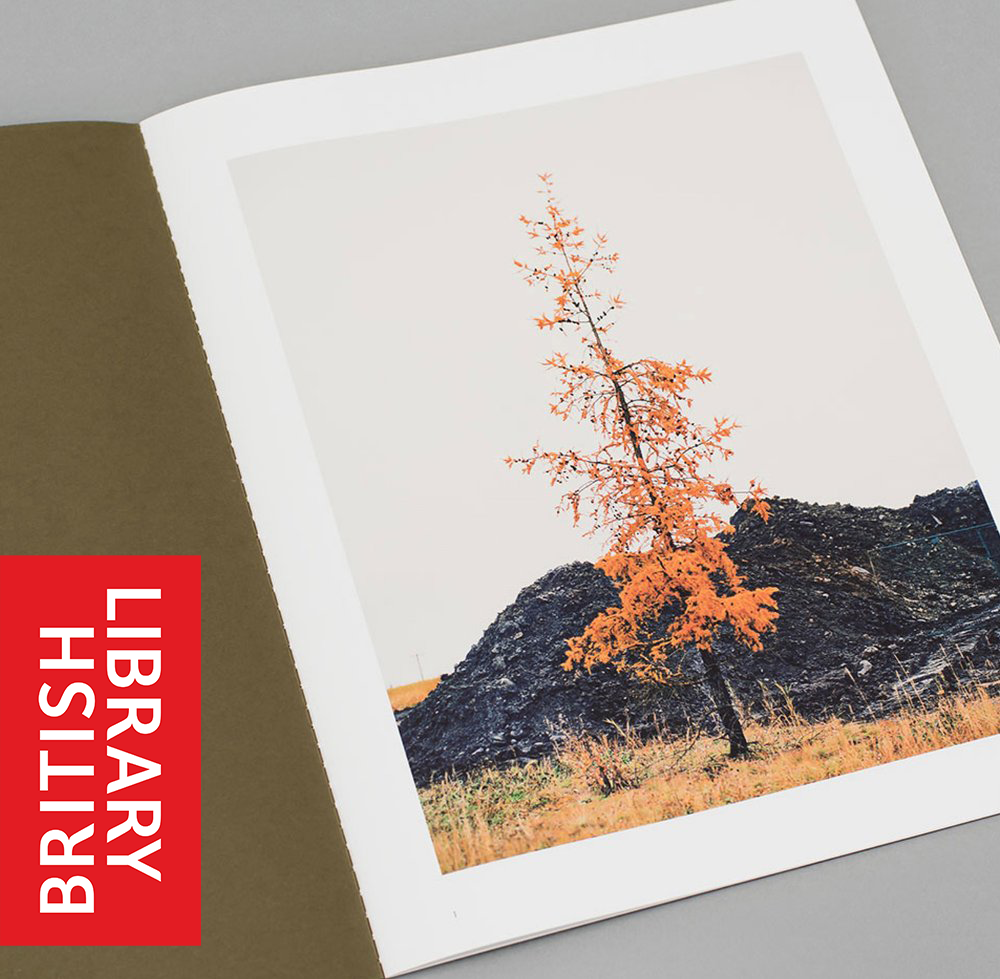
On The Line: featured in the British Library Christmas Blog
It's certainly a wonderful feeling of positive progress when the British Library supports your work and ideas, On The Line is featured in their Christmas Blog.
It's certainly a wonderful feeling of positive progress when the British Library supports your work and ideas, On The Line is featured in their Christmas Blog.
1st edition copies of On The Line are available from my website, Claire De Rouen Books, The Whitechapel Gallery and The Photographers Gallery.

Warmest wishes,
Alan
Territory at Oriel Gallery, Theatr Clwyd, UK with RPS, IPE 162
Territory continues its tour of the UK, exhibit in Wales at the Oriel Gallery.
Territory series tours the UK with the IPE 162
Selected from a worldwide open call and curated by some of the most influential people in photography today, the works exhibited include stark landscapes made during periods of extended solitude, alongside images created using pinhole cameras (made from apples) which celebrate community orchards. Spirituality, family, identity, and inclusion are some of the powerful narratives explored this year
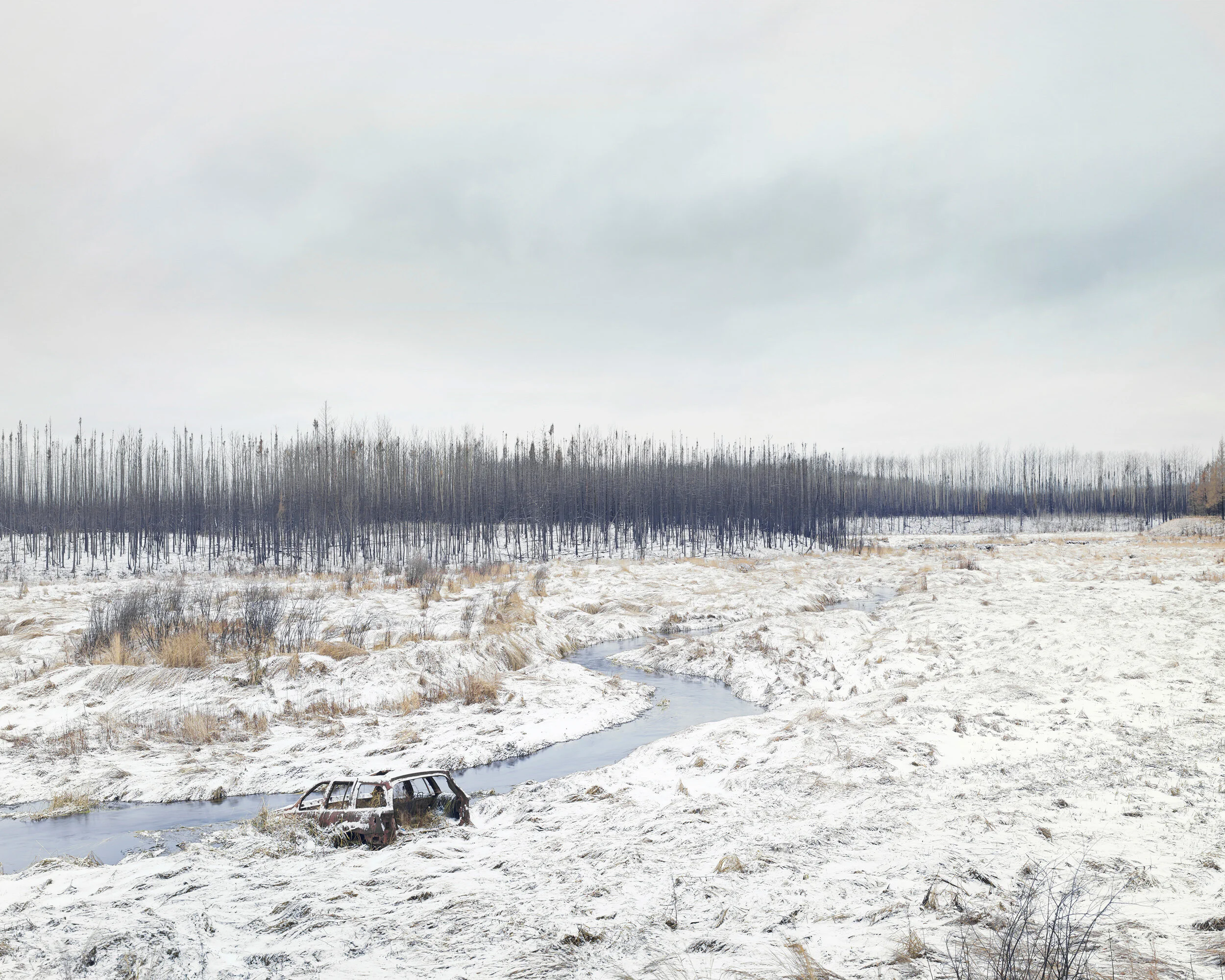
Dead End, 2017 © Alan McFetridge
Exhibition Details
28 November 2020 - 16 January 2021
Gallery Opening Times here
Venue: Oriel Gallery Theatr Clwyd
Raikes Lane, Mold
CH7 1YA
The selection panel included Shannon Ghannam (Global Education Director at Magnum Photos), Skinder Hundal MBE (CEO/Director of New Art Exchange), Yan Wang Preston (Photographic Artist and lecturer at the University of Huddersfield) and Cian Oba-Smith (Editorial and Commercial Photographer), who were joined by RPS Director of Education Dr Michael Pritchard.
Territory at Beverley Art Gallery, UK with RPS, IPE 162
“stark landscapes made during periods of extended solitude, alongside images created using pinhole cameras, made from apples, celebrating community orchards.”
Territory series tours the UK with the IPE 162
Selected from a worldwide open call and curated by some of the most influential people in photography today, this edition includes stark landscapes made during periods of extended solitude, alongside images created using pinhole cameras (made from apples) which celebrate community orchards. Spirituality, family, identity, and inclusion are some of the powerful narratives explored this year.

The Last Man, 2017 © Alan McFetridge
Exhibition dates: 19 September – 16 November 2020
Gallery Opening Times here
Venue: Beverley Art Gallery
Champney Road, Beverley
East Riding, Beverley, HU17 8HE
The selection panel included Shannon Ghannam (Global Education Director at Magnum Photos), Skinder Hundal MBE (CEO/Director of New Art Exchange), Yan Wang Preston (Photographic Artist and lecturer at the University of Huddersfield) and Cian Oba-Smith (Editorial and Commercial Photographer), who were joined by RPS Director of Education Dr Michael Pritchard.