
Fire Front, near Villa, 2021 © Alan McFetridge
The Pyrocene in Antiquity.
The Pyrocene in Antiquity began in 18 August 2021. Arriving at Athens airport then following roads to a large smoke plume rising to the north of Athens beside the village of Vilia.
For centuries, poets, painters, and composers have ascended Parnassos in imagination as much as in body. Johann Joseph Fux’s Gradus ad Parnassum (1725), studied by Haydn, Mozart, and Beethoven, mapped a path of harmony; Paul Klee’s Ad Parnassum (1932) transformed ascent into consciousness, colour and rhythm. Their mountain was symbolic.
I came differently: through smoke, militia capture and interrogation, strangers’ hospitality, and the through the middle of an active fire frint. The Corycian Cave — a sacred ground of ritual — appeared in the landscape as both refuge and workshop, where the first Greek pyrograms took form. Working in collaboration with choreographer Eva Papadopoulos, body and flame met within the cave: images were born from open fire and movement.
Ignis Parnassum stands at the threshold between birth and death, destruction and renewal, myth and history, ritual and flame.
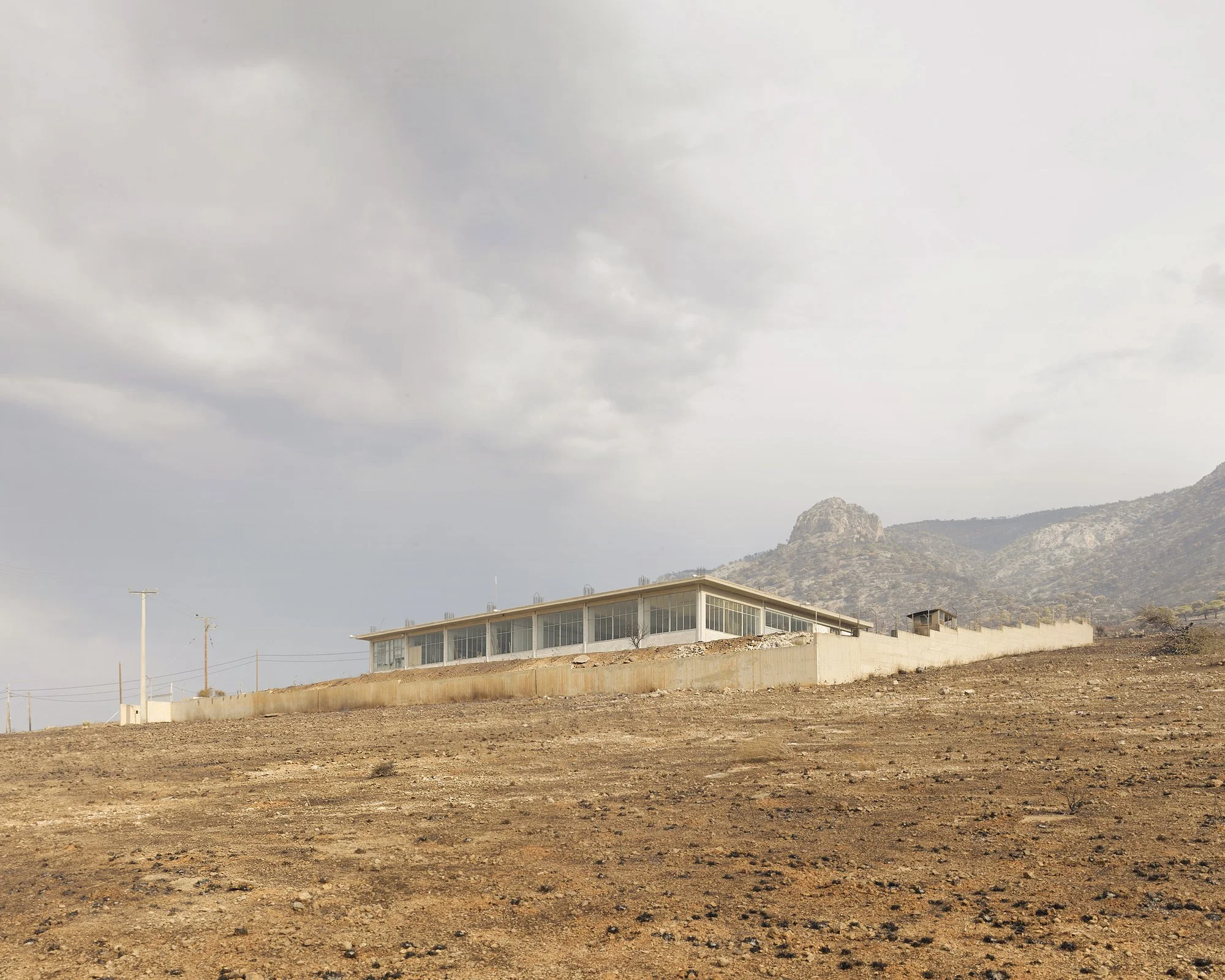
Garment factory with National Forest Park of Parniarniha, North West of central Athens, 2023 © Alan McFetridge
Mount Parnassos has long been more than stone. Rising above Delphi—where the Pythia gave voice to Apollo—it has stood for centuries as an emblem of inspiration. By the eighteenth century it captured the imagination of northern Europe’s artists and literati. While Johann Joseph Fux’s Gradus ad Parnassum (1725) and Paul Klee’s Ad Parnassum (1932) named the mountain. Neither man came here; their Parnassus was imagined.
My encounter was lived. Guided by James K. Baxter’s In Fires of No Return, I travelled to Greece to begin The Pyrocene in Antiquity. Parnassos arrived as ordeal: nights in the Corycian Cave, smoke-thick forests, police lines, militia interrogation, and, equally, the hospitality of villagers who washed, fed, and protected me.
Back on the mountain, at the crevasse and cave, I made the first pyrograms of this body of work. This images are not painted or printed but burned into being—marks made by fire itself.
The same slopes that once shaped oracles and myths still speak, though now through burning forests and fractured ecologies. Fire becomes a contemporary oracle—its language ash, smoke, renewal. This work connects a European lineage of music and painting with a present tense of flame: from Gradus ad Parnassum to Ad Parnassum to pyrograms forged in the mountain’s shadow.
Ignis Parnassum, 2023
Artists: Eva Papadopoulos & Alan McFetridge
Medium (Original): Fuji Instant Color Film FP-100C, 102 × 131 mm
Edition (First): Chroma Print on Archival Paper, 583 × 444 mm
Edition Size: 7 + 2 AP
A chroma print is a process unique to the artist’s studio, produced to museum-grade standards for archival permanence.
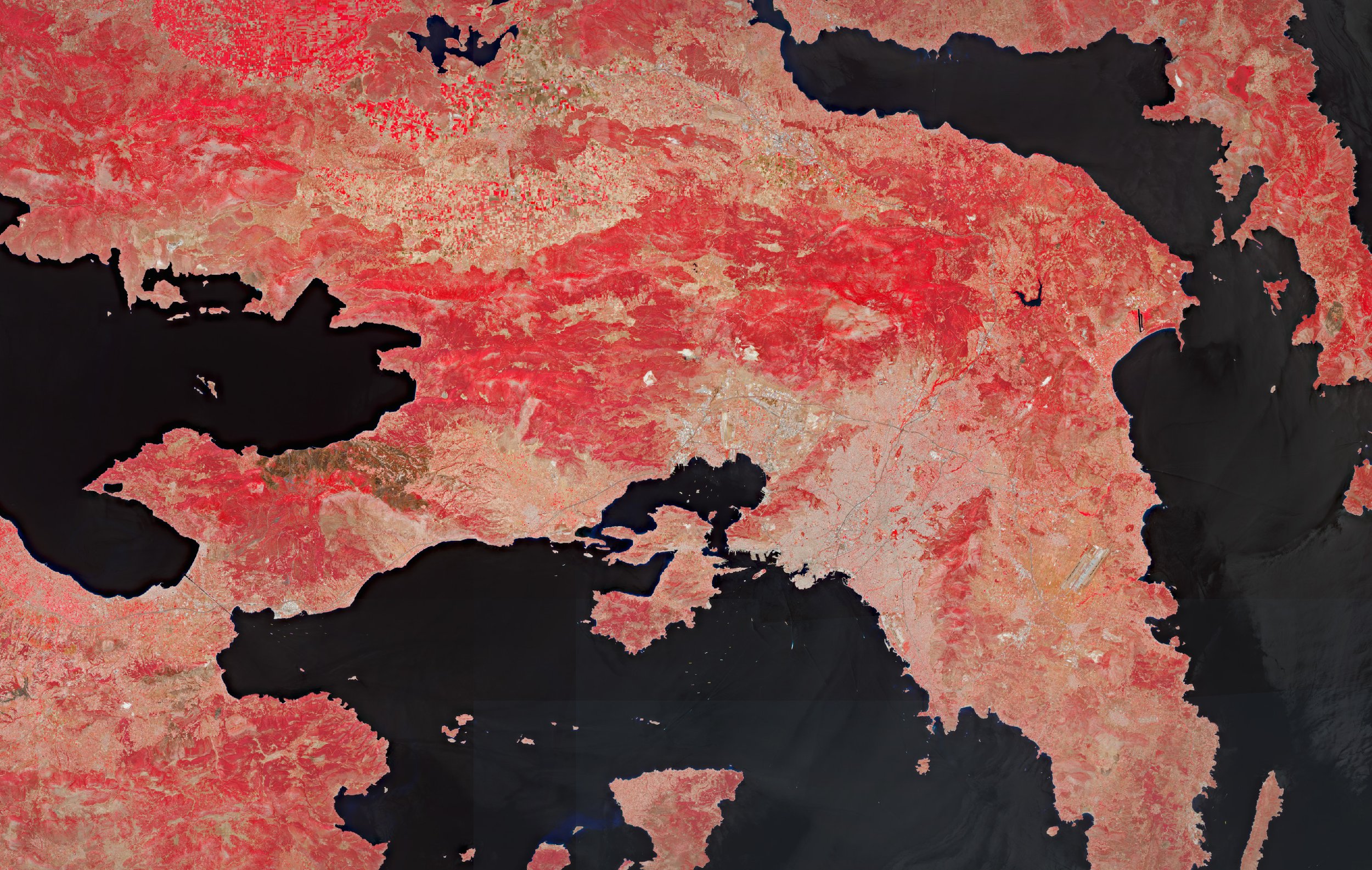
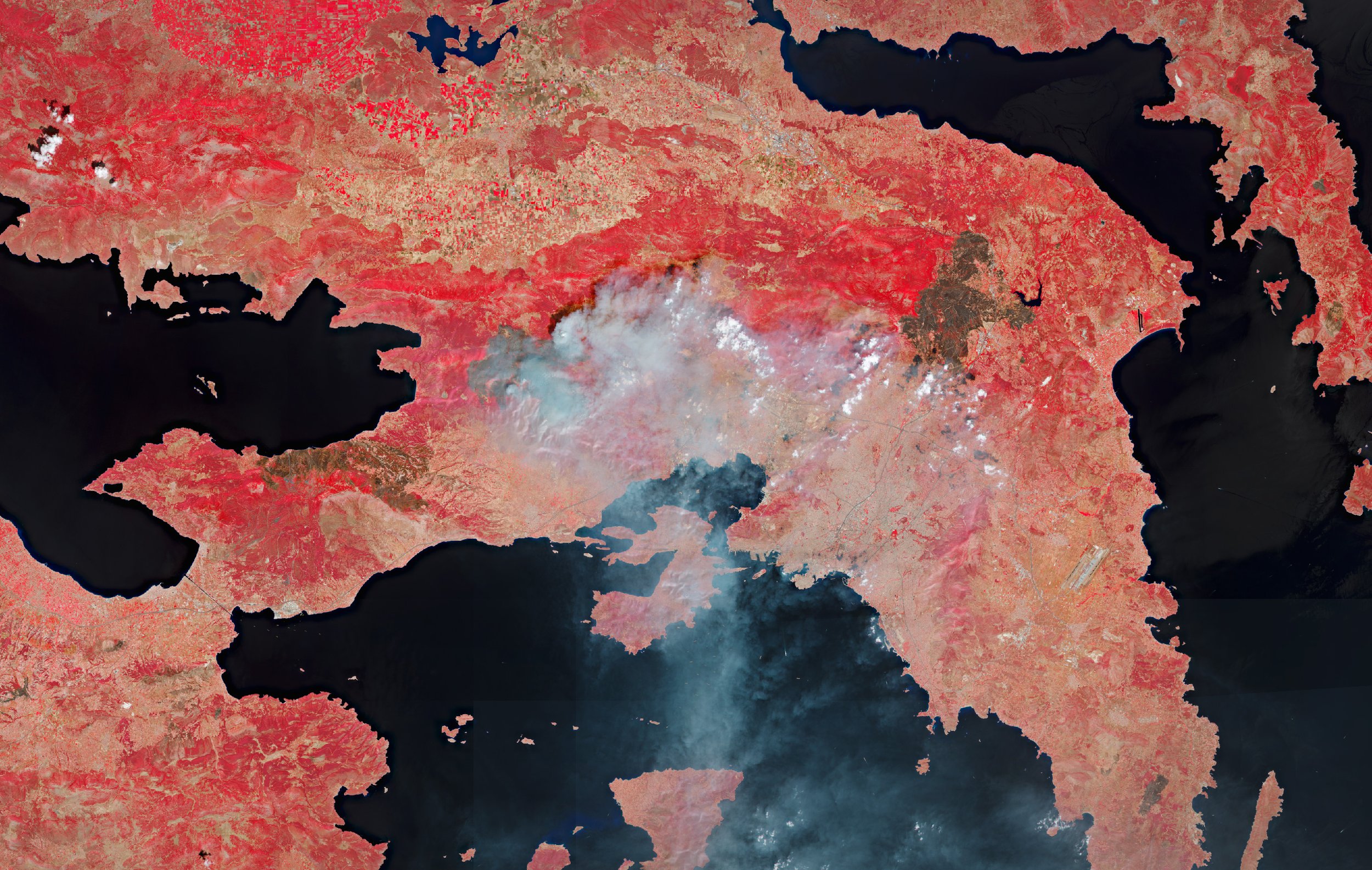
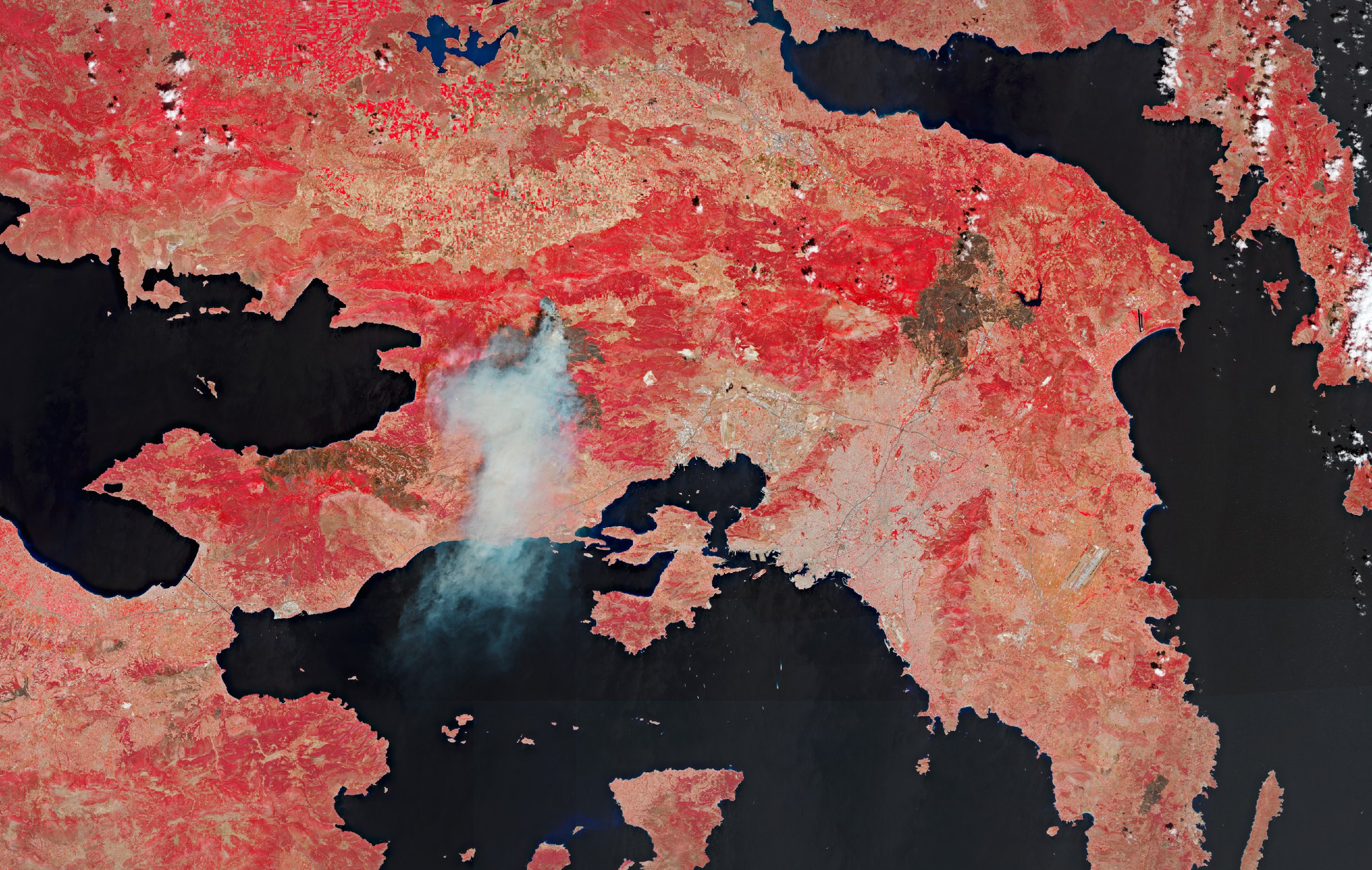
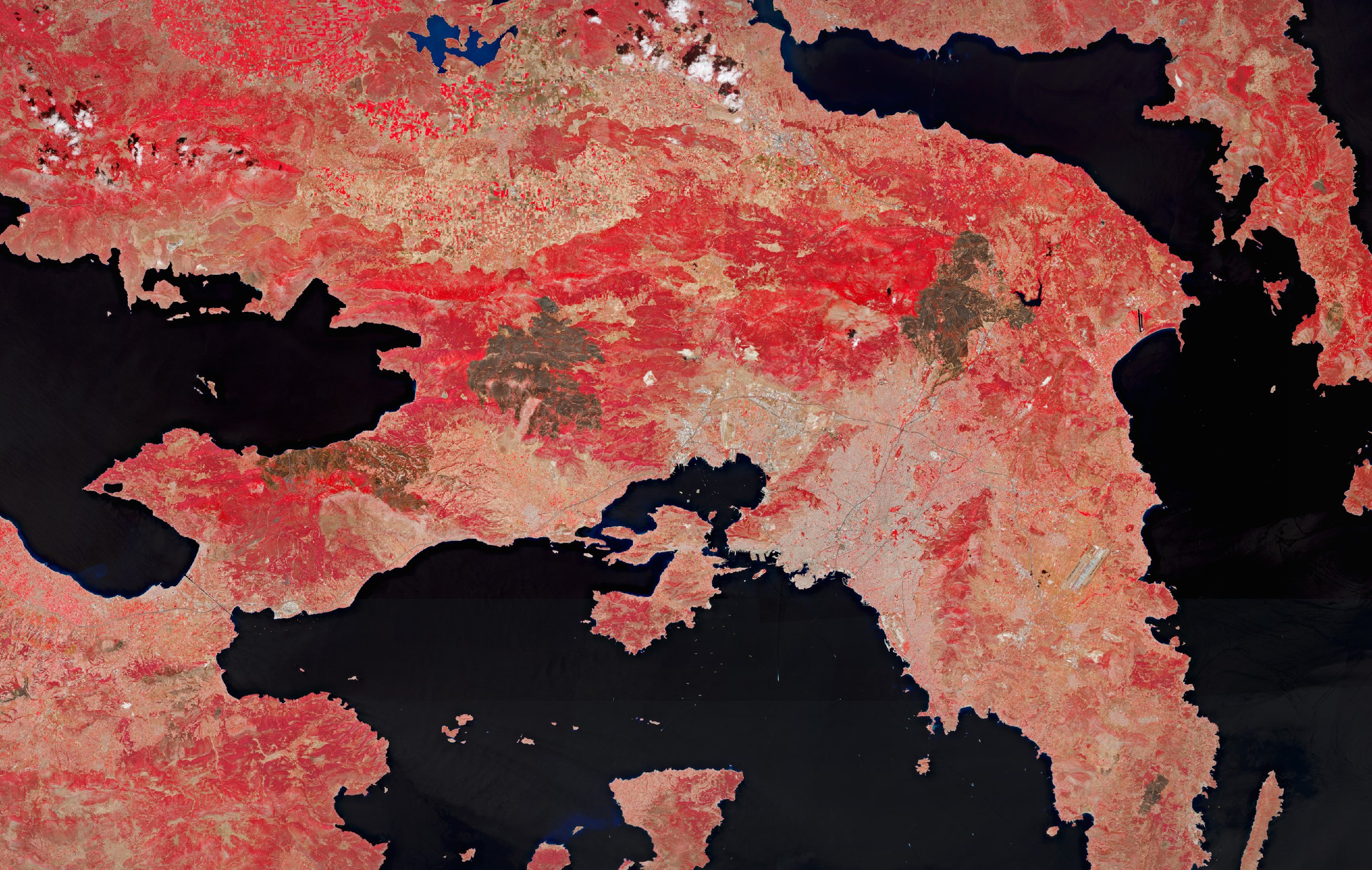
Above: The scale of two Attica fires can seen from Space, they ignited between 8 and 28 August. Athens appears grey, with Green biota red and burn scars in dark brown. Images courtesy of ESA and CEP.
Songs of the Dead | Upcoming Monograph
As the planet heats, fires will worsen as a result of anthropogenic climate change.
To explain the complexity I found in the aftermath at Fort McMurray’s Horse River Wildfires of 2016, this monograph has been forming away on the studio walls for over five years with a range of iterations which are becoming realised. It includes a range of collaborators and therefore layers and facets which I believe has created a rounded view on this fire.
If you would like to support Songs of the Dead you can become a patron on Patreon
You can read a more detailed blog post by Antoinette Johnson, here.
Left: The prologue On The Line is available for purchase in our online shop.
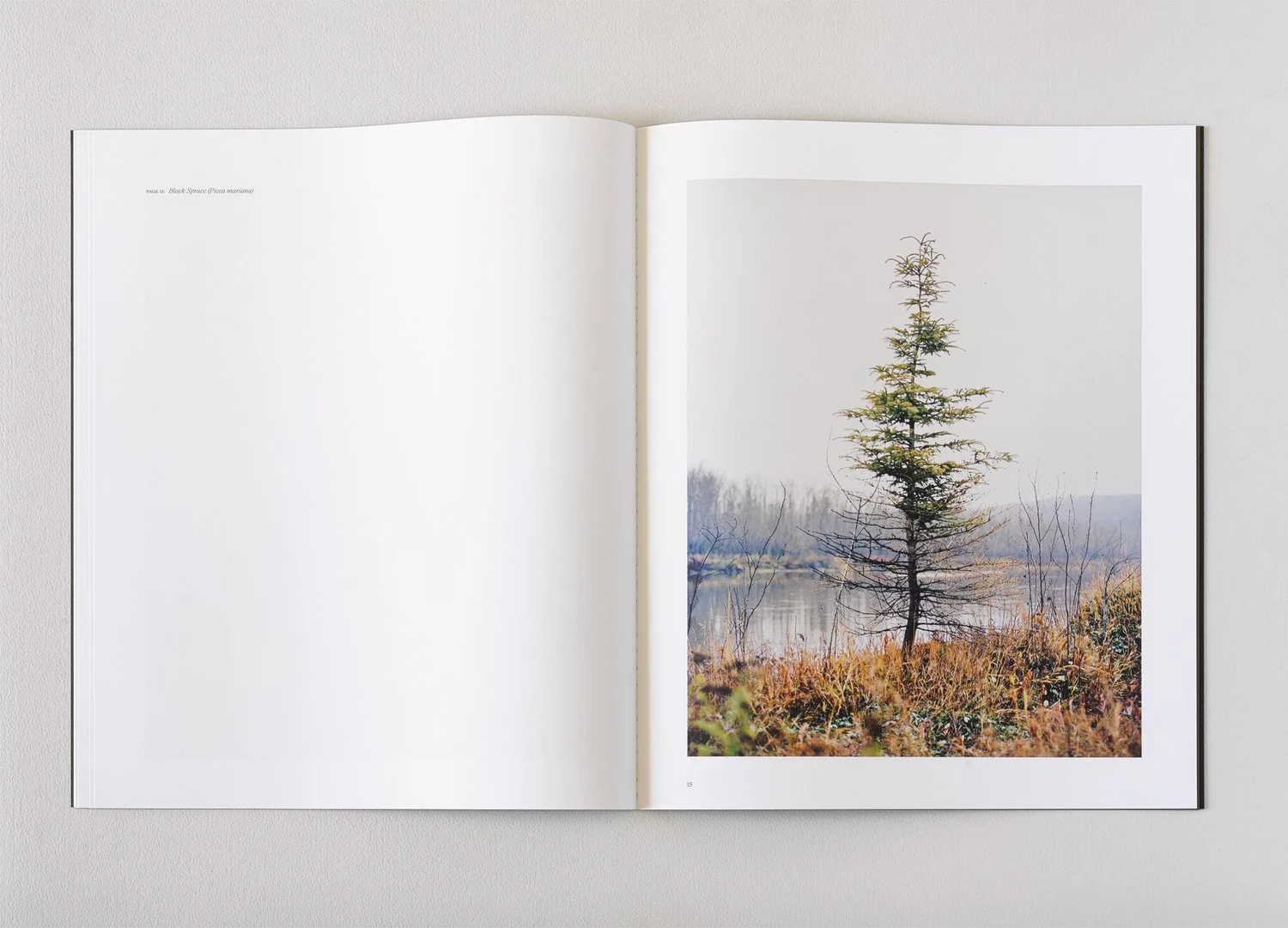
Songs of the Dead | Features
*Prints are 152.5cm x 187cm including rebate.
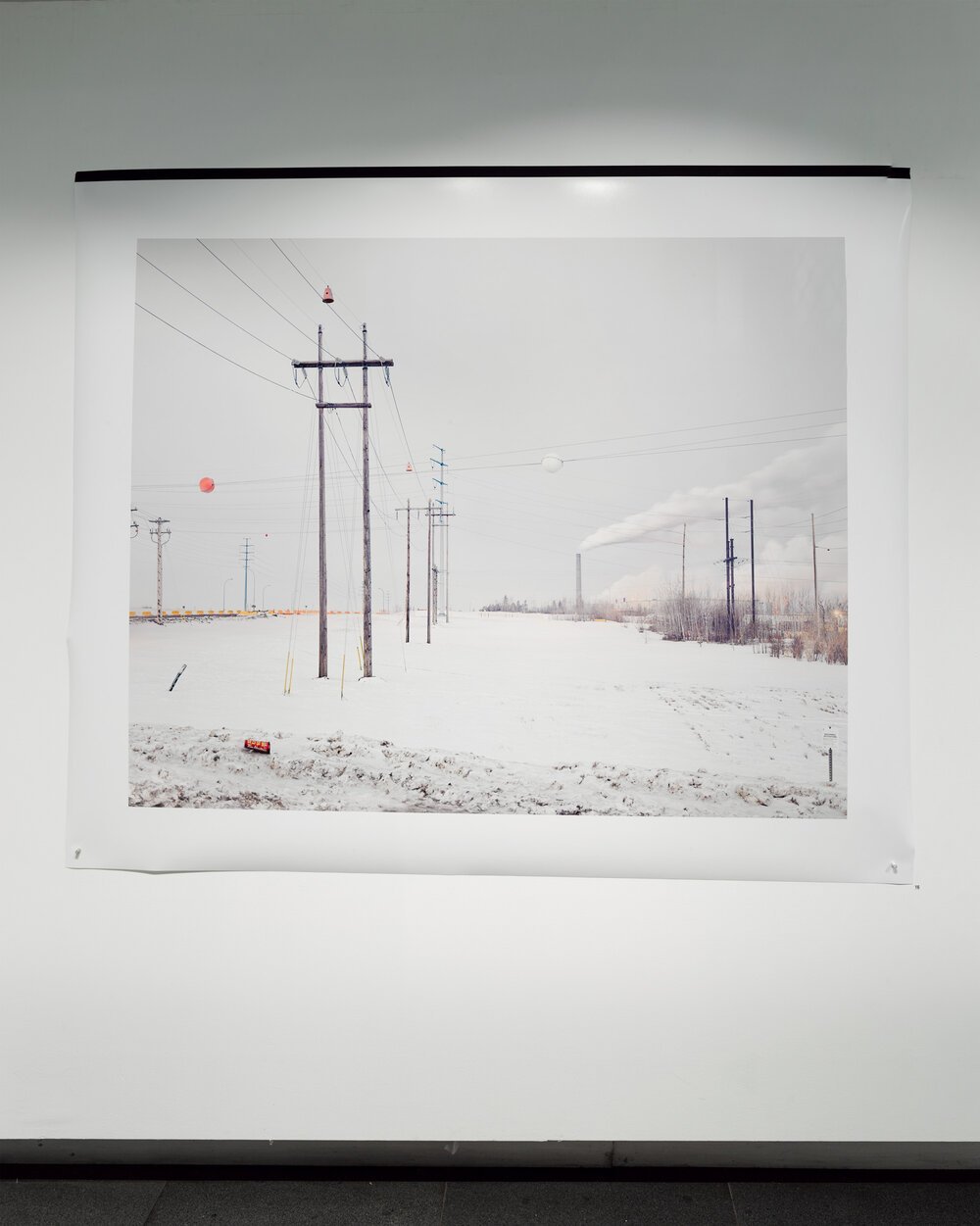
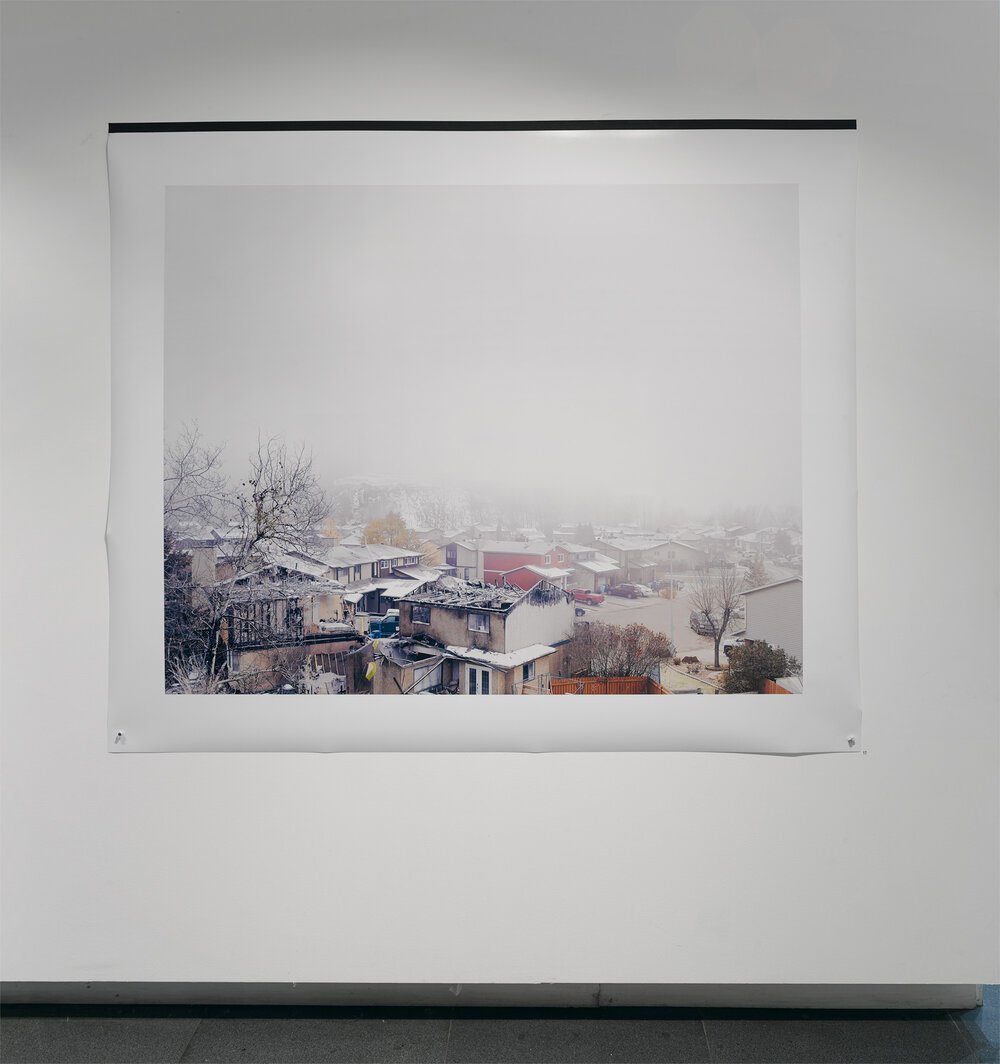
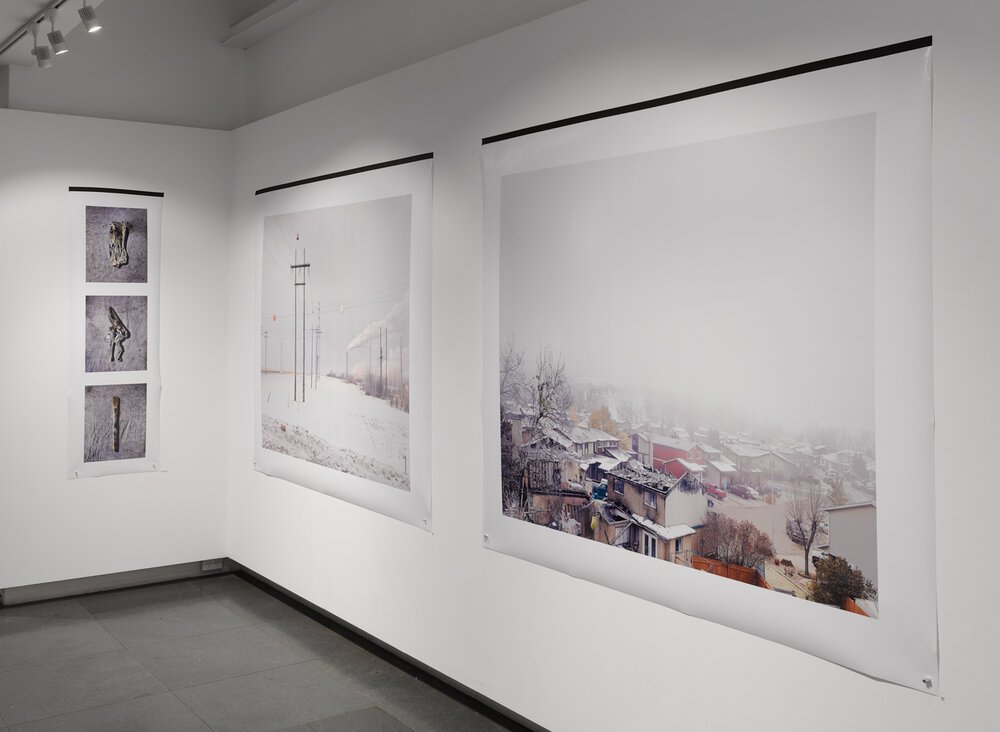
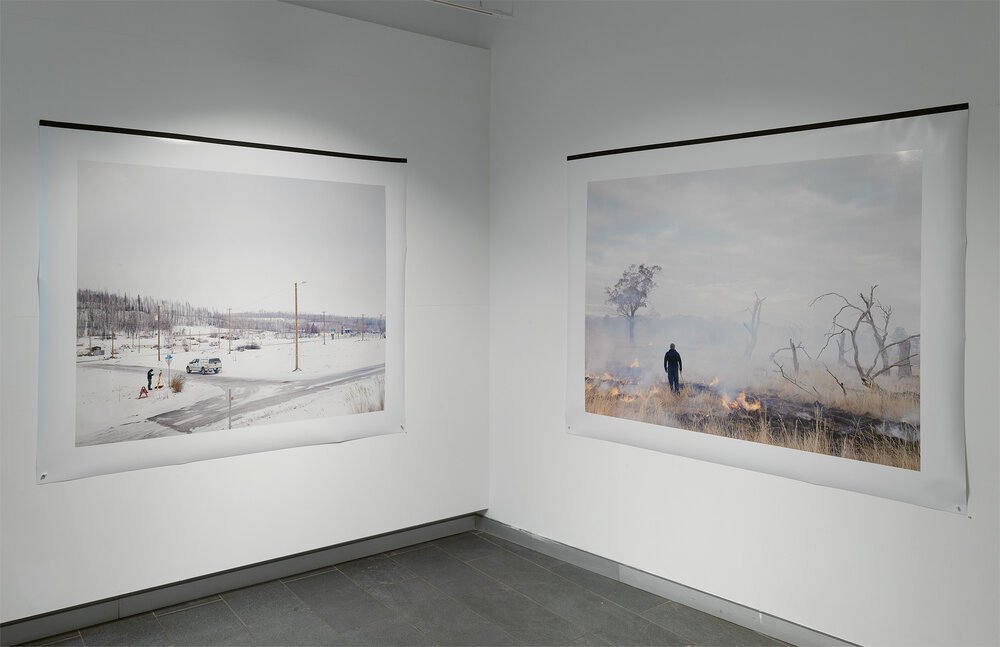
Exhibition Details, 2019
Wedge Gallery, Sydney
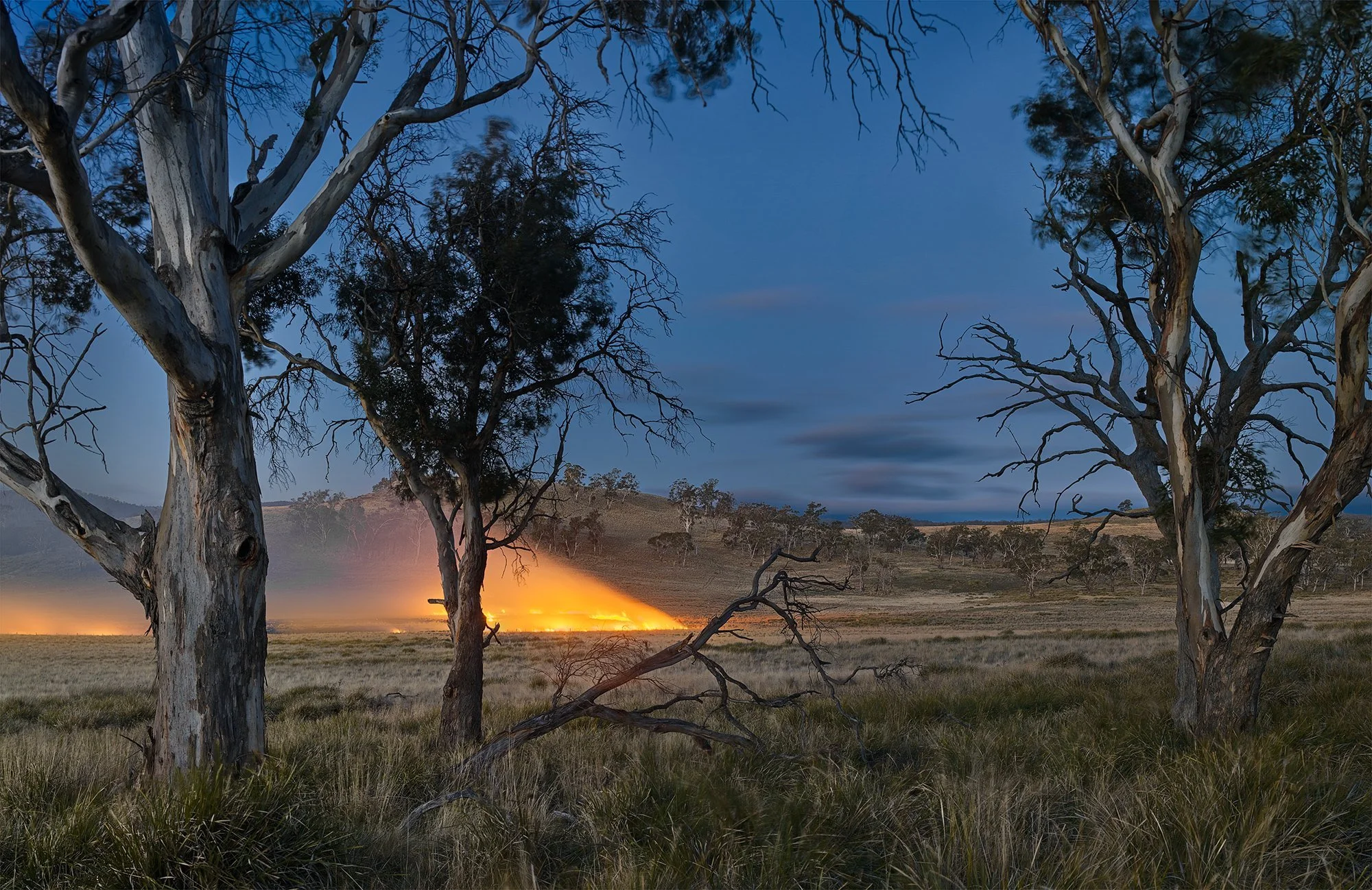
Fire Lines, 2019 © Alan McFetridge
Being Part of The [Fire] Conversation
You can read more about Alan’s collaboration with the Indigenous Stakeholders and the Science Community in Australia.
For further information on this project please contact the Studio
All images © Alan McFetridge