Nature (Mother)
Atlas of Interconnected Landscape Practices
Autumn/Winter 2025 Releases
Welcome to Nature (Mother) — a growing collection of artist-led contributions that trace our evolving relationships with land, water, and fire. Born from an Open Call, this first assembly moves across disciplines and traditions, forming an emergent chorus of responses to one guiding question:
How do we live with Land, Water, and Regenerative Fire?
Each work is rooted in a specific landscape or ecological process — a river, a coastline, a regenerative burn scar, a mountain, a plateau — and offers a portal into personal, political, and planetary layers of meaning. What emerges is a living archive and a resource for the future: poetic, grounded, urgent, and transformative.
As we step into Autumn/Winter 2025, projects will begin to release one by one as limited-edition artworks, workshops, performances, and digital offerings — the first movement in Nature (Mother), a publishing initiative by the Centre for Ecological Philosophy (CEP), in partnership with Metalabel.
By collecting these works, attending performances, or sharing in workshops, you directly support the artists and help build a new kind of artist-led knowledge and artist-led economy — one guided by care, interdependence, and creative sovereignty.
Thank you for supporting.
Alan McFetridge
Artist & Founder, Centre for Ecological Philosophy (CEP)

Stella Brajterman
Auxin
Stella Brajterman is a Brazilian interdisciplinary artist working across theatre, cinema, poetry, and dance. With over 15 years of experience, she has collaborated with directors including Eugenio Barba and Bia Lessa, and developed work at Potlatch Theatre, Trinity Laban, and the Siobhan Davies and Wayne McGregor Choreography Lab. Her recent projects include the video art Ava and the short film E o mundo todo ficou roxo (“And then the world turned purple”).
Her project Auxin is an eco-visual diary that repositions plants and non-human life as protagonists in contemporary narratives. Inspired by Emily Dickinson’s line, “being a flower requires an enormous responsibility,” the work explores how daily documentation of plant life can transform perception, encouraging a deeper engagement with nature through image, movement, and poetic activism.
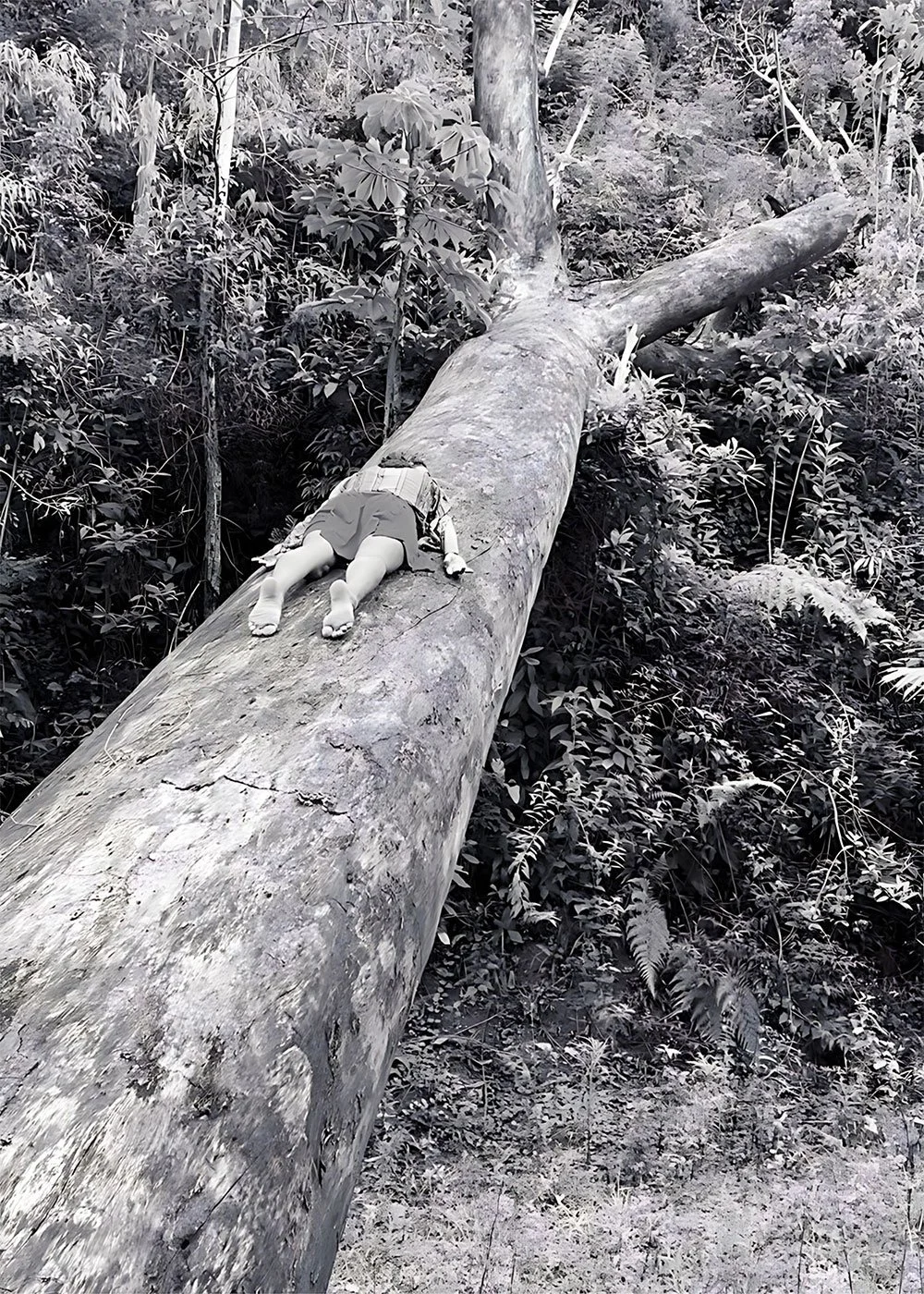
Auxin by Stella Brajterman
Christoph Kasulke
Sound of the Sea
Christoph Kasulke is a German photographer with a background in economics and a deep passion for nature. His work documents the biodiversity of landscapes, plants, and animals, capturing fleeting moments that highlight the fragile uniqueness of the natural world.
For Christoph, photography is more than documentation—it is a meditative yet focused practice. Time in nature brings moments of calm, listening to the sea, the rustle of leaves, or birdsong. Yet the process of composing the right image can also shift into moments of intense concentration. His project Orientation from Land to Sea reflects this duality, capturing the emotional and visual boundaries between human infrastructure and wild coastal spaces. Through these images, he invites viewers to experience the wonder and urgency of environmental preservation.
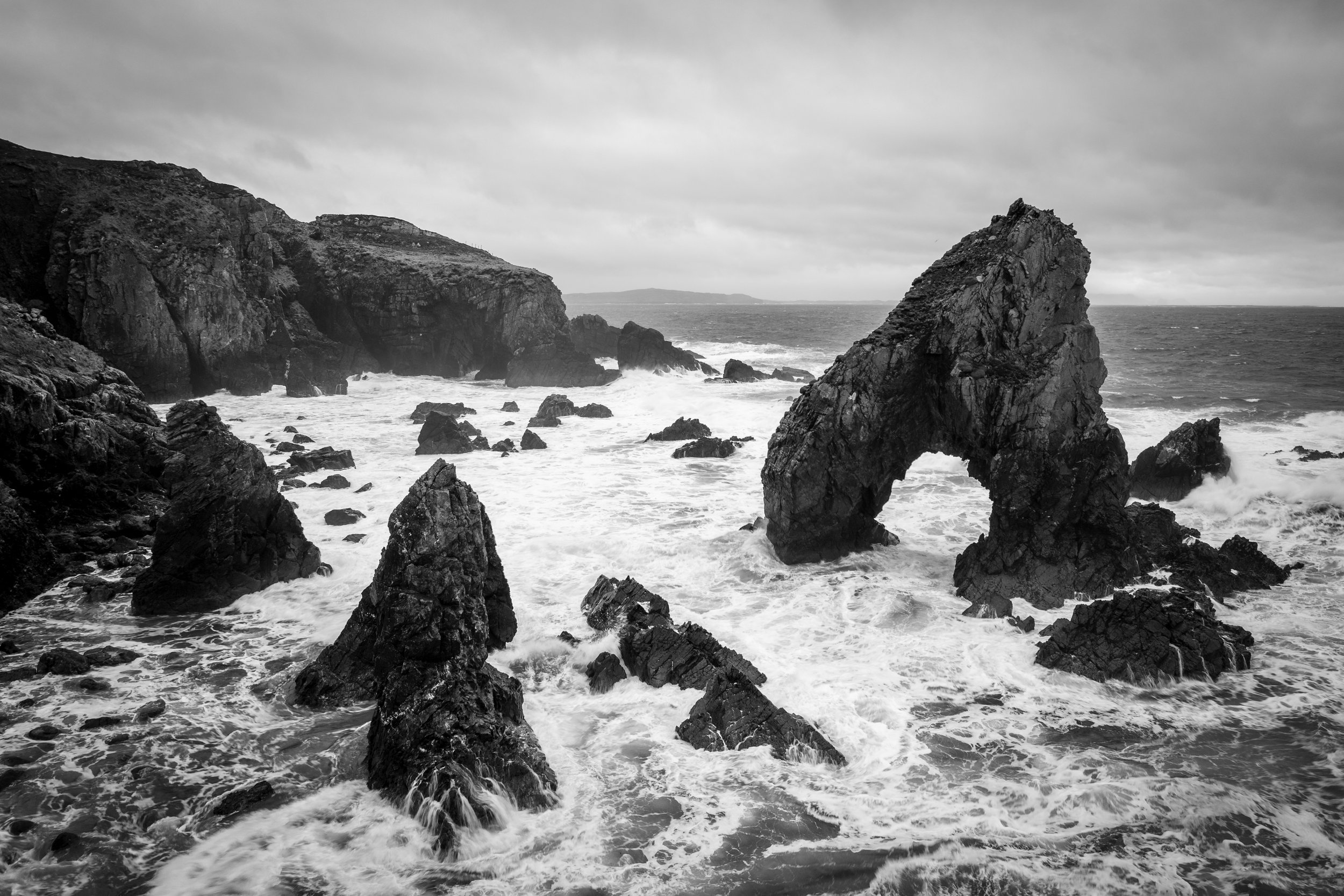
Sound of the Sea by Christoph Kasulke
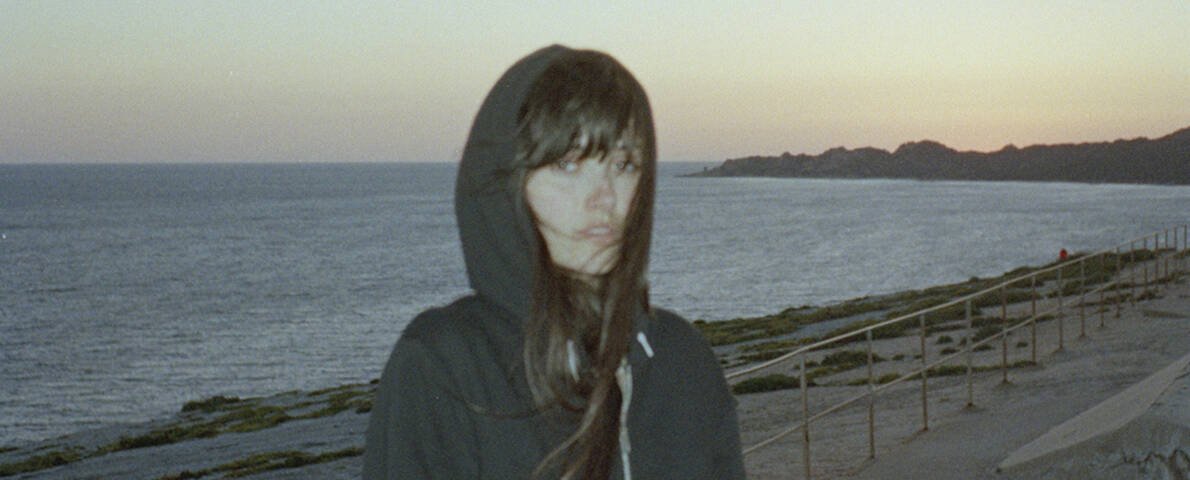
Ania Mokrzycka
Fugue
Ania Mokrzycka is a London-based artist working across moving image, sound, text, ceramics, and performance. Her practice explores threshold environments—spaces where human and non-human, organic and inorganic, intersect. Ania’s work imagines porous, cross-contaminated ecologies and embraces non-hierarchical narratives of interspecies engagement. She holds an MA from the Royal College of Art and has completed residencies in Lithuania, Switzerland, Spain, and Canada. She co-runs the experimental research platform IRRUPTIVE CHORA.
Her project Fugue proposes poly-sensory listening as a method of attuning to oceanic environments beyond extractivist imaginaries. Working with hydrofeminist and new materialist thought, Ania creates speculative soundscapes, sculptural forms, and performative encounters that invite participants to experience the ocean’s depth as an acoustic, bodily, and ecological presence. The work challenges the limits of embodiment and envisions new modes of collective ecological awareness.

Fleuve (2024), 16mm film with sound by Ania Mokrzycka

Lizzy Tan
Passages
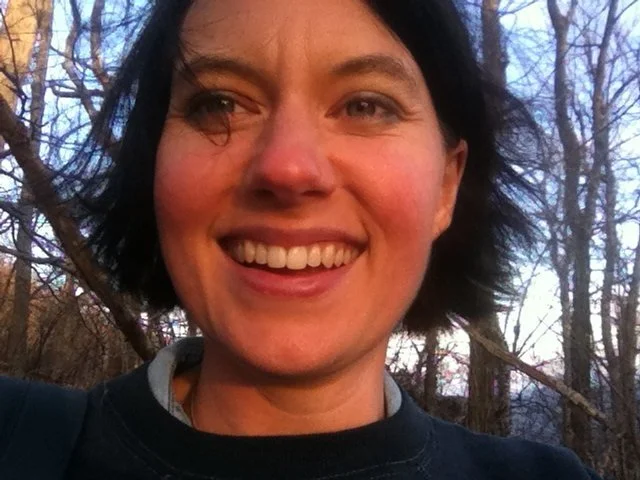
Lizzy Tan is a London-based dance artist and movement director whose practice explores the philosophy of image, the femme body, and ecological systems. She draws from queer and feminist literatures, art history, and economics to create interdisciplinary performances and workshops. Lizzy has presented work at The Place's Resolution Festival, VAULT Festival, and the Edinburgh Fringe. She holds a BFA in Dance and a BA in Economics from the University of Texas at Austin, and an MSc from the London School of Economics.
Her project Passages is a digital collection that combines ecological data visualization, sound, and community adaptation guides to reimagine our relationship with waterways. Focusing on the Thames River, Singapore Strait, and Houston Ship Channel, Passages creates sensory engagements with real-time environmental data, fostering stewardship and behavioral change through creative action, local storytelling, and regenerative ecological practices.
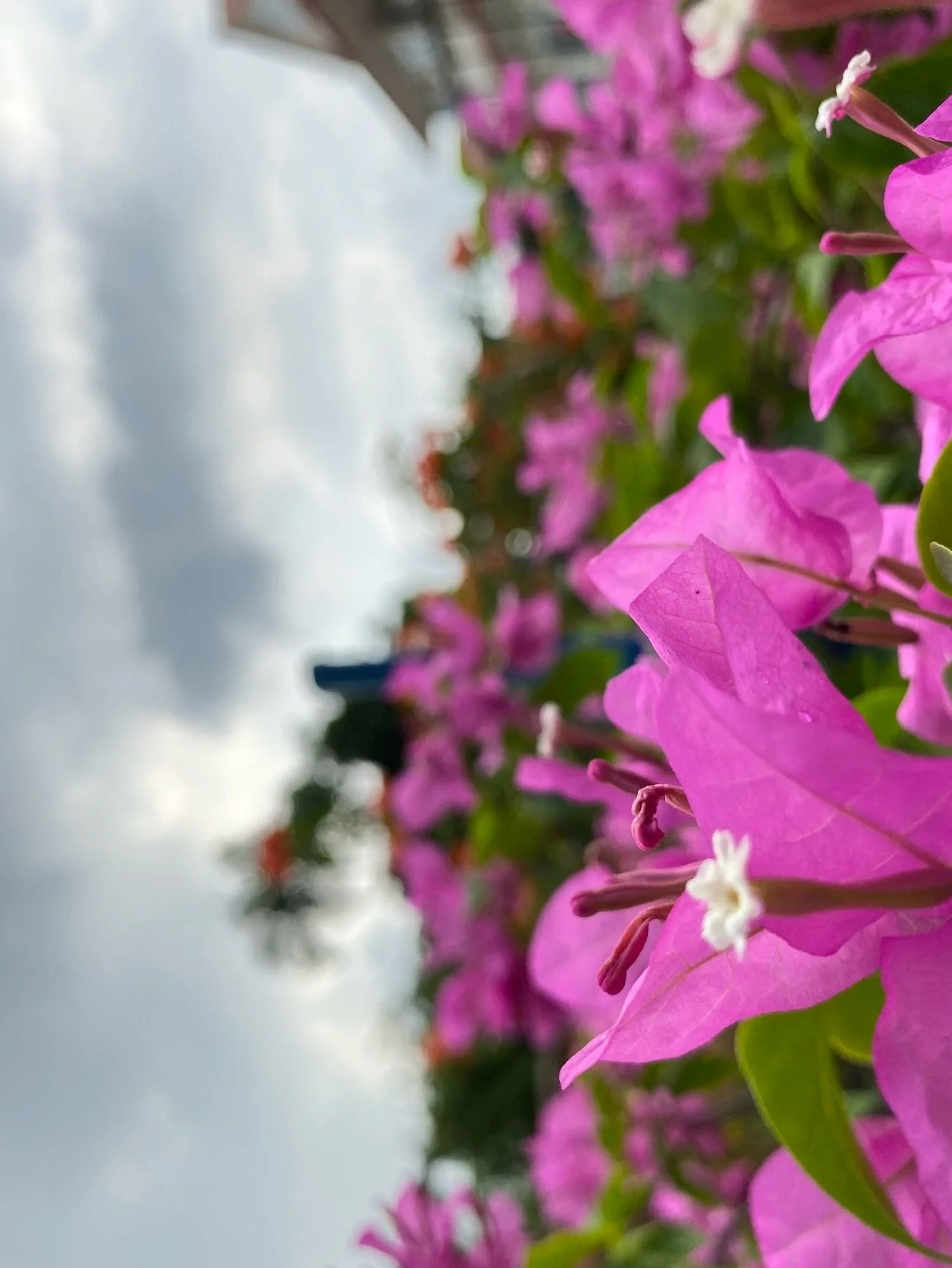
My Grandparent’s Garden in Singapore by Lizzy Tan
Rhona Eve Clews
Thermodynamics
Rhona Eve Clews is an artist, ecologist, and healer whose work sits at the intersection of photography, writing, performance, and ecofeminist practice. Drawing from a working-class hippie upbringing, she explores elemental aliveness and interspecies intimacy as forms of ecological care. Her practice blends somatic engagement with critical thought, grounded in collaboration and inclusivity.
Thermodynamics is an evolving series exploring fire and water in volcanic landscapes. Originating in Iceland, the project draws on Rhona’s sensory experience of the Strokkur geyser and expands through webcam studies, postcards, and local audio testimonies. Merging film, photography, and sound, Thermodynamics becomes a site of elemental dialogue—where fire and water perform together in cycles of transformation. Rooted in ecofeminist methodologies, it interrogates how we perceive power, presence, and touch across more-than-human realms.
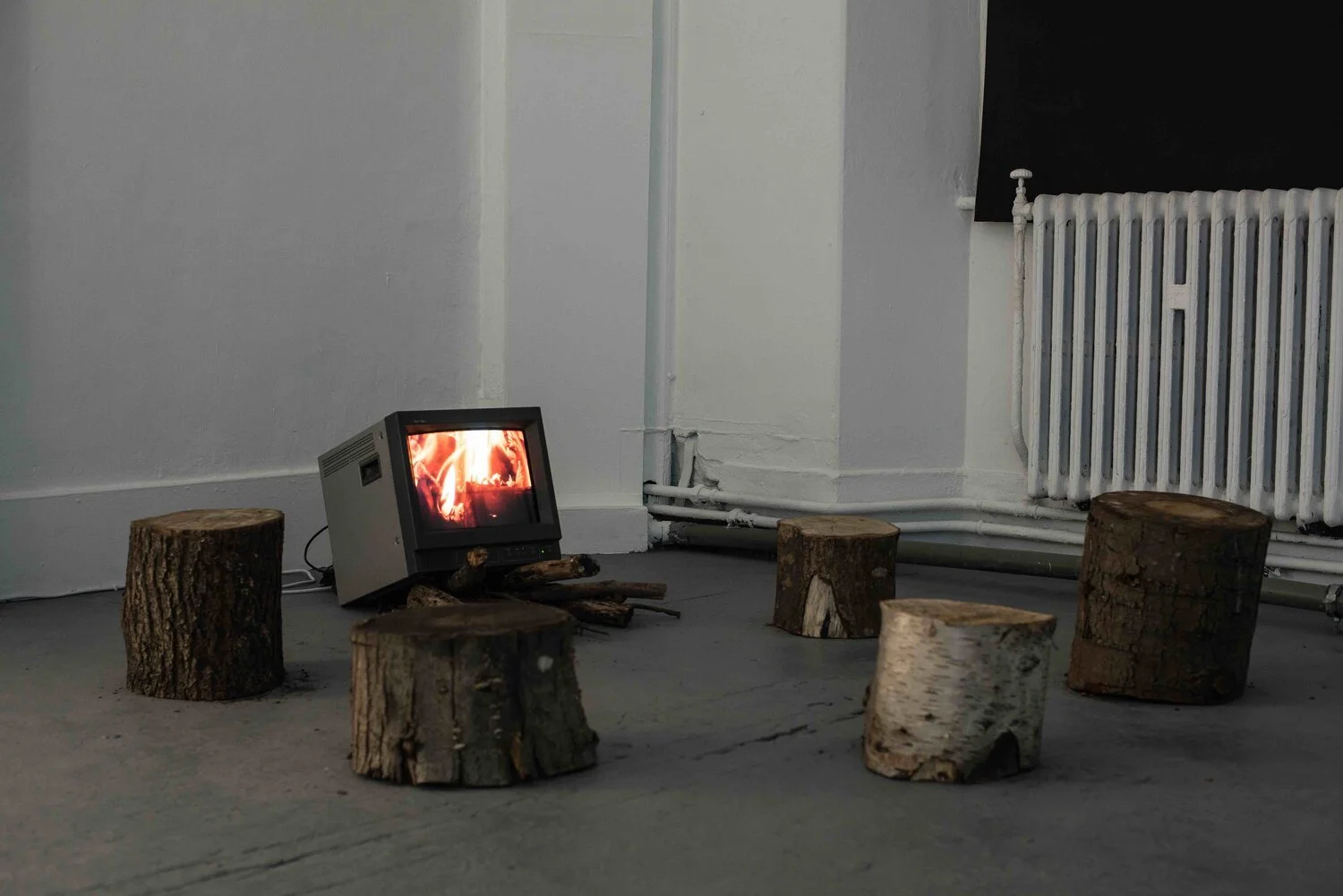
Thermodynamics. Installation, film, performance and accompanying poetic text, 5-30 minutes duration by Rhona Eve Clews.

Silly Goose emblem
Between Tides and Tempers
Sillygoose is a multidisciplinary artist based in Malta whose practice explores the poetic tension between abstraction and emotion, play and depth. Working across digital and traditional media, they create textural, narrative-rich compositions that invite quiet reflection and subtle transformation. Their work often draws on myth, memory, and ecological intuition to reconnect viewers with unseen forces shaping daily life.
In Between Tides and Tempers, Sillygoose turns to the Mediterranean Sea around Malta, imagining water not as backdrop but as body—dense with memory and consequence. A central figure floats in underwater suspension, eyes closed, third eye open, witnessing sedimented histories. The piece evokes the emotional consciousness of water: enduring, fluid, sentient. Malta’s tides and tempests anchor this vision of nature as fierce, maternal presence—alive with myth, silence, and submerged resistance.

Between Tides and Tempers by Silly Goose.
Cecilia Huang
Standing on the Earth with Bare Feet
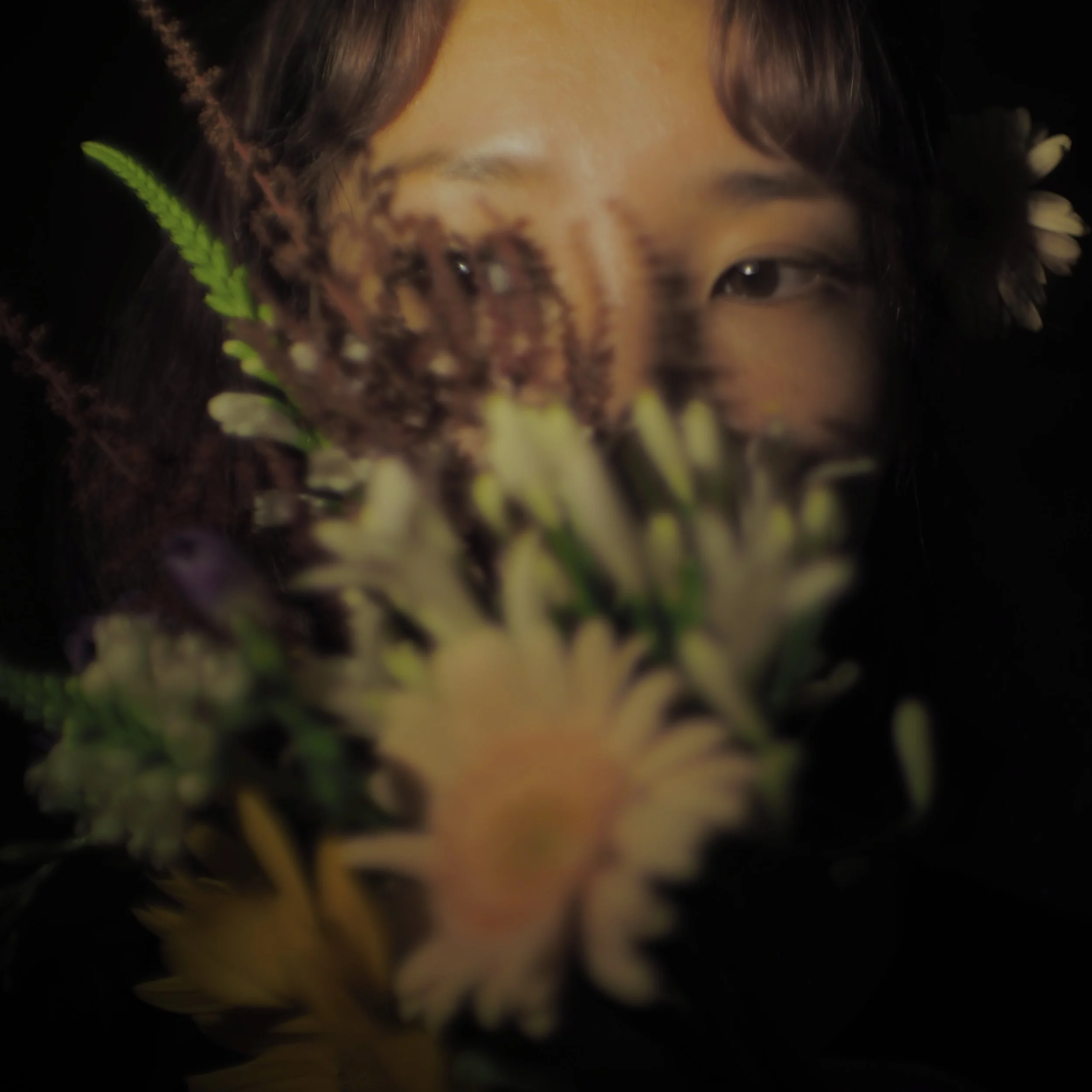
Cecilia Jinglei Huang is a London-based dancer, choreographer, and multidisciplinary artist. Their work explores human identity through the interaction between body, object, and environment, often reflecting on urban life and its disconnections from nature. Recently, they’ve refocused their practice on sensory, research-led movement that reconnects body and land.
Their project Standing on the Earth with Bare Feet traces the living rhythms of London’s Docklands—where water, land, and human life intersect. Through dance, plant identification, and embodied listening, Cecilia explores how the human form mirrors ecological systems. The work builds relationships with local species, reclaims intuitive and indigenous knowledge, and proposes new rituals of care. It invites an embodied dialogue with place, interweaving threads of climate crisis, land justice, and anti-colonial practice into a living movement archive.
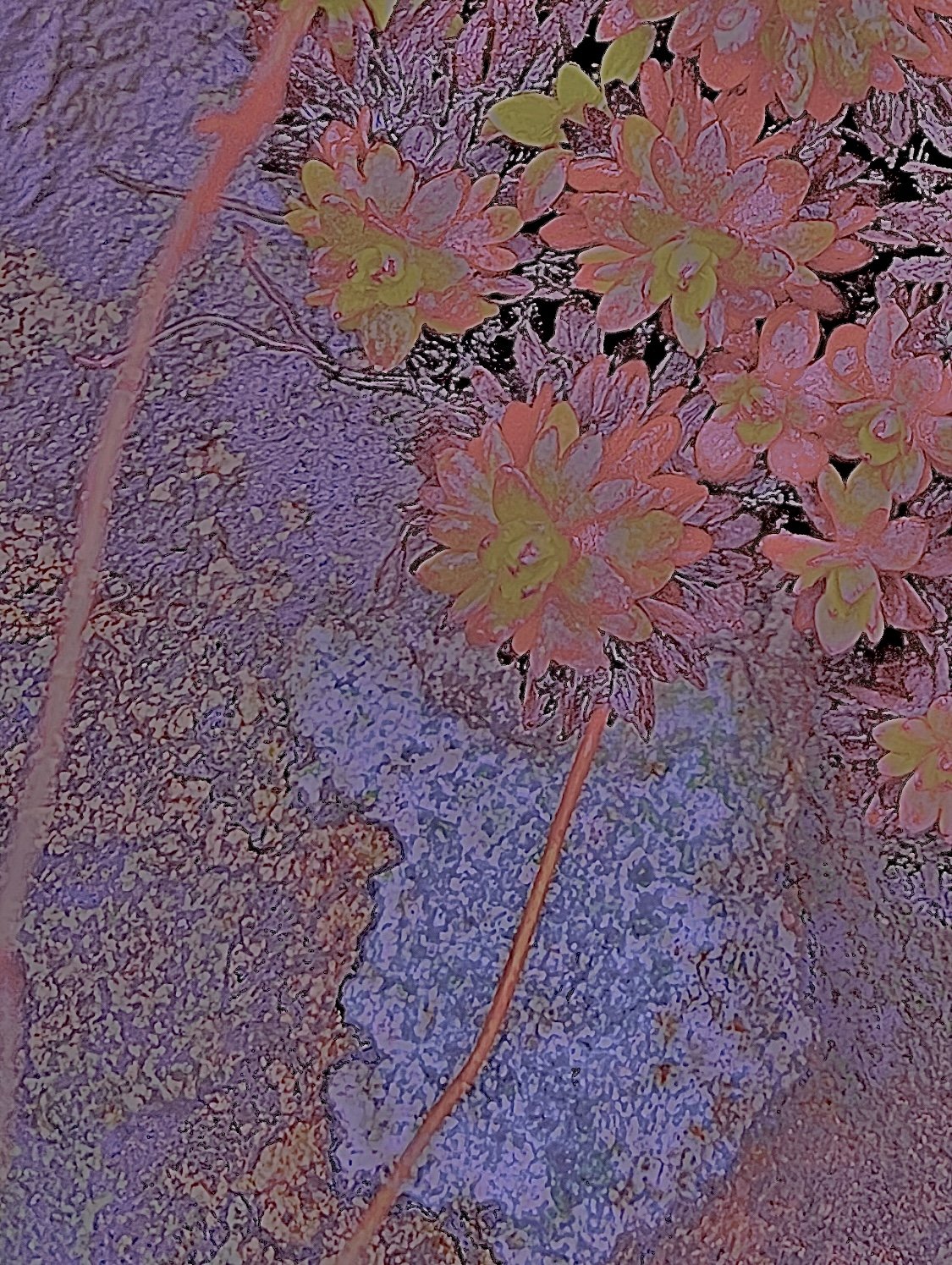
Standing on the Earth by Cecilia Jinglei Huang
Clair Robins
Nature's Wavelength
Clair Robins is a British photographer and visual artist whose work captures the beauty, obscurity, and ambiguity of everyday life. Her practice combines alternative photographic processes with a poetic sensibility, creating compelling narratives that reflect her connection to place and the natural world.
Her project Nature's Wavelength uses cyanotype printing to archive delicate flowers and foliage collected from Leicester’s hedgerows and gardens, including the River Soar’s banks. The work preserves their ephemeral beauty, transforming natural imprints into hypnotic compositions that reveal the interplay of visible and invisible wavelengths in nature. Each print is fixed in water, a decision that reflects the tension between control and chance in the creative process. Presented in a 100-year-old glass negative box, the series merges contemporary and traditional techniques, creating a meditative visual dialogue with the natural world.
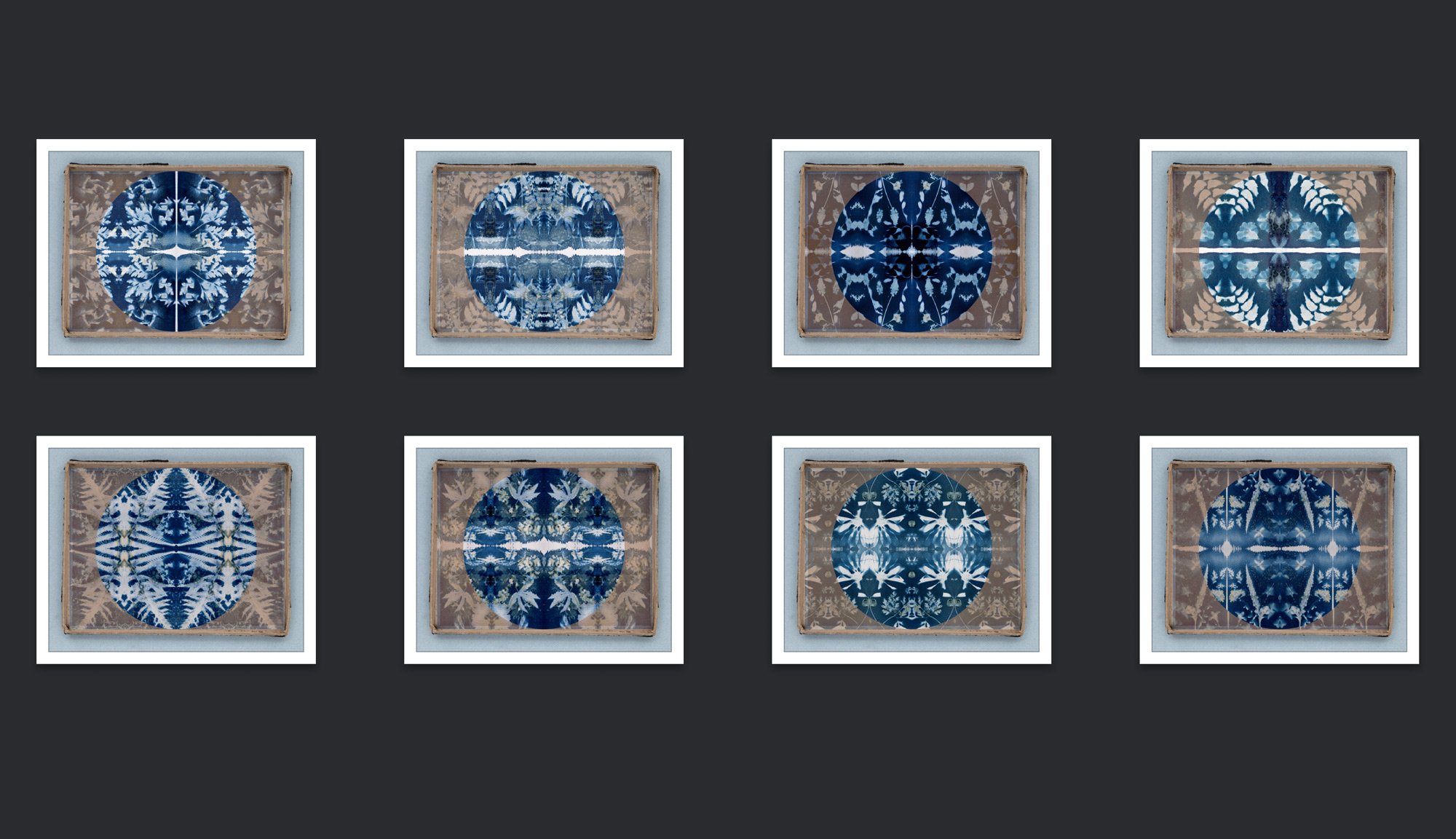
Nature's Wavelength by Clair Robins

Juan Sanchez Plaza
The 5 Elements Movement Practice
Juan Sanchez Plaza is a dancer, choreographer, and somatic practitioner originally from Valencia, Spain. He began his career in Hip Hop and Latin dance before graduating in Contemporary Dance from Valencia’s Conservatory and SEAD – Salzburg Experimental Academy of Dance. He is a member of the International Dance Council (CID), a certified Hatha/Vinyasa Flow Yoga teacher from Rishikesh, India, and currently performs with the Salzburg Opera and Salzburger Festspiele.
His project The 5 Elements Movement Practice is a somatic exploration of Earth, Water, Fire, Air, and Space. Through guided improvisation, breathwork, and site-responsive movement, Juan fosters an embodied dialogue between humans and nature. The practice attunes participants to the rhythms of local landscapes and waterscapes, creating a deeper connection with the environment through stillness, motion, and deep listening.

5 Elements Dance - Juan Sanchez Plaza

Anelena Toku, photograph by Carla Boregas
Incense Sculptures
Anelena Toku is a London-based Brazilian artist working across installation, experimental music, sound, performance, video, photography, and olfactory practice. Since 2015, she has collaborated with musician Carla Boregas on multisensory projects that explore sound and scent as pathways to reconnect with the natural world. Her work often evokes themes of migration, belonging, and memory, using sensory immersion to create dialogue between bodies, cultures, and places.
Her project Incense Sculptures uses plant materials from across the world to create small, handmade incense forms. The process blends herbs, resins, spices, and barks with water to shape a paste, which is dried into sculptural objects. When burned, these sculptures become sensory rituals—miniature transformations of matter that evoke the cycles of land, memory, and atmosphere in both visible and invisible ways.

Incense Sculptures, by Anelena Toku

Dr Wendy Brandon in Antarctica, 2025.
A Strangely Beautiful Interior
Wendy Brandon is an Aotearoa-based artist and academic whose research-based practice explores planetary ecologies, deep time, and cultural memory. With a background in law and visual art, her work investigates ethical and reciprocal relationships with place, often through installation, photography, and writing. Wendy has exhibited nationally and internationally.
Her project, A Strangely Beautiful Interior, emerges from a recent expedition to Antarctica, where she experienced the continent as a cosmic edgeland—vast, elemental, and interconnected with galactic polar systems. Reflecting on ice as both archive and signal, the work considers water’s transformation under gravity and time. It responds to glacial retreat, ocean warming, and the accelerating loss of planetary memory through poetic, mythic, and slantwise storytelling that invokes the urgency of planetary stewardship.

From the series, A Strangely Beautiful Interior by Dr Wendy Brandon, 2025.
Edwin Quast
What is a River?
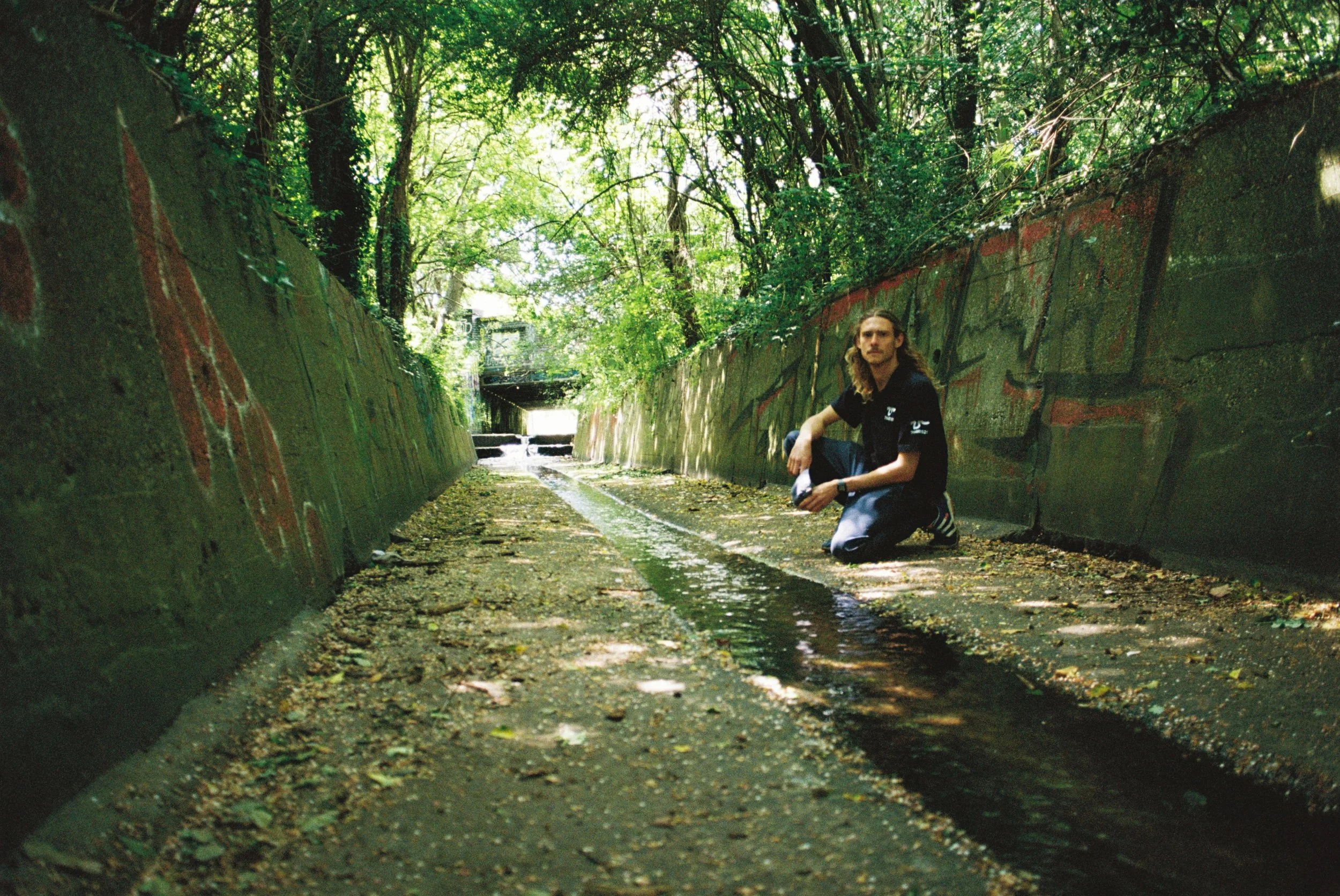
Edwin Quast is a visual artist and researcher based in Australia whose work explores urban ecologies, personal memory, and layered histories through photography and archival material. With a deep interest in the overlooked patterns of daily life, Edwin’s practice draws connections between place, time, and the people who shape and are shaped by their environments.
What is a River? is an evolving portrait of the Ravensbourne—a small South London river woven through Edwin’s life. Blending new photographs, archival images, and crowd-sourced reflections, the project traces the river’s quiet presence through time, memory, and myth. By asking others, “What is a river?”, the work opens a collective meditation on more-than-human systems and shared meaning, revealing the river not just as flow or feature, but as relational being.

What is a River? by Edwin Quast.

Dr Lei Zhou
Anthropocene as Built Environment and Calligraphy as Bauhausian Effort
Dr. Lei Zhou is an anthropologist, strategic designer, and co-founder of the Design Anthropology Network – DANology Institute. With a doctorate in Anthropology, his practice spans consultancy, writing, interactive art, and ethnographic research focused on environmental change and multispecies relations. He is a Fellow of the Royal Society of Arts.
His project Anthropocene as Built Environment and Calligraphy as Bauhausian Effort explores how modern “builderism” contributes to planetary degradation. Blending architecture, installation, performance, and calligraphy, the work enacts a “Bauhausian Calligraphy” as a mode of unearthing environmental truth. Rather than explaining pollution, Lei’s performative framework reveals it—removing mediation to surface its raw presence. The project seeks antidotes to anthropogenic harm by reconfiguring cognitive and sensory encounters with our altered Earth.
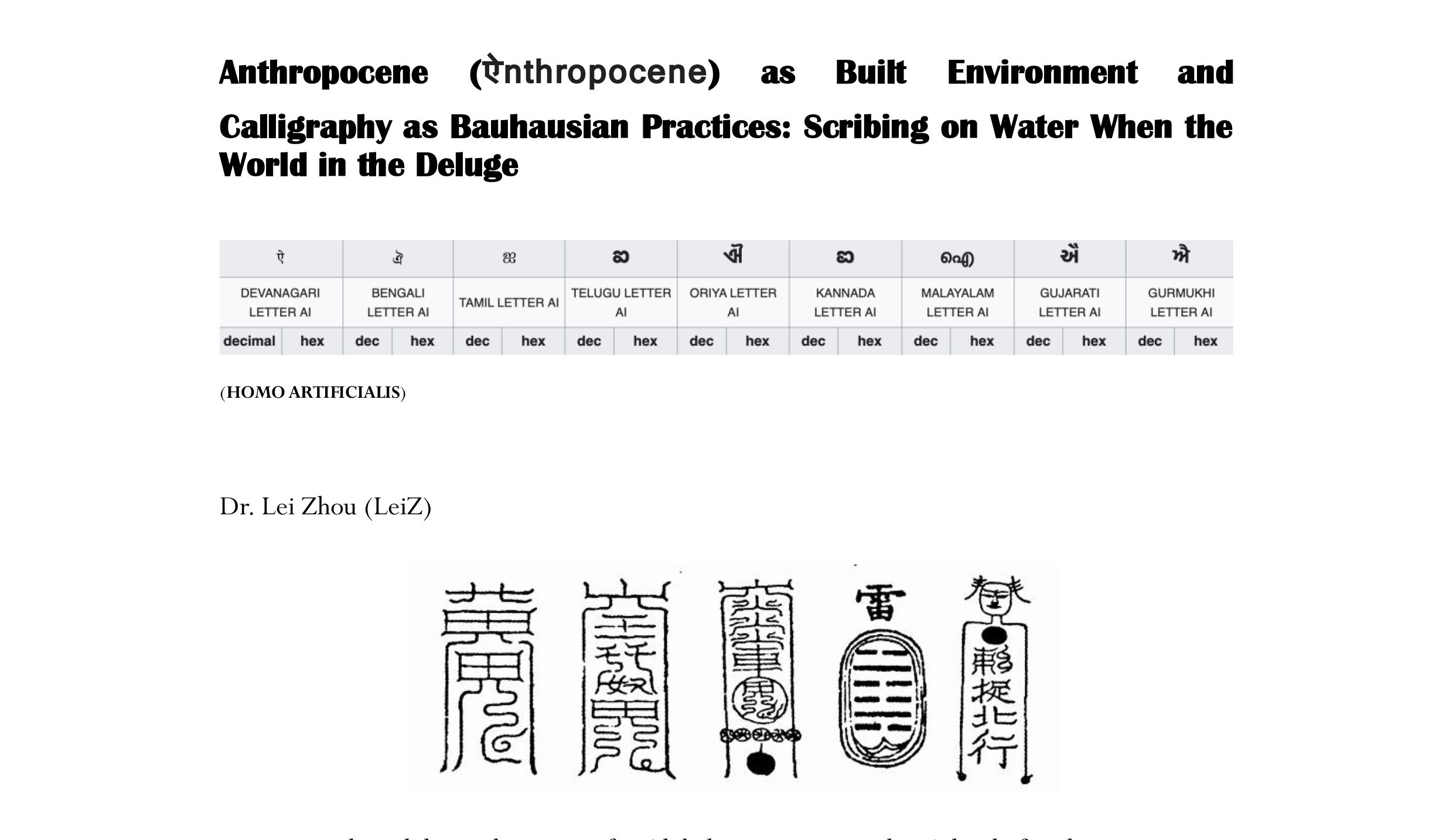
Anthropocene as Built Environment and Calligraphy as Bauhausian Effort by Dr Lei Zhou.

Titus Davies
High Water
Titus Davies is a British artist and furniture maker working across sculpture, photography, and collage. She completed her MA in Fine Art at Wimbledon School of Art in 2010. Her practice creates site-specific interventions that animate the histories and natural forces of specific landscapes.
Her project High Water emerged from a residency at Cove Park on Loch Long, a tidal sea loch in Scotland. The work involved constructing a playful, tripod-like sculpture from found timbers, holding a small brass dish to capture the high tide. The piece transposed time into space—marking the invisible rise of the tide by holding ‘lifted water’ in place. After surviving two tide cycles, the object disappeared with the sea. High Water embodies the delicate, temporal relationship between human observation and the natural world.

High Water by Titus Davies

Ashka Zasada
Erotic Earth
Ashka Zasada is a Polish dancer, embodiment coach, and initiation facilitator based in London. Her work is rooted in embodied wisdom, exploring shadow and taboo as gateways to liberation and deeper connection with life. She guides practices that return the body to its intuitive, sensual knowledge.
Her project Erotic Earth is a photo and video embodiment practice that investigates the erotic as a way of knowing and relating to the natural world. Rooted in Erotic Ecology, the work explores how human sensuality and the Earth’s rhythms are intertwined. It confronts global disembodiment and ecological crisis by inviting an intimate, embodied experience of land, water, and body as one living system. The initial phase unfolds in the Catalan Pyrenees and along the northern Mediterranean coast, in collaboration with local artists.

Erotic Earth by Ashka Zasada

Dave Walsh
The Cold Edge
David Walsh is a photographer, writer, and environmental campaigner from Ireland. His work questions humanity’s relationship with the Earth, focusing on our resource use, climate impact, and disconnection from the natural world. David has travelled globally, including on Greenpeace expeditions to the Arctic and Antarctic, witnessing firsthand the beauty and vulnerability of polar ecosystems. He currently works as Communications Advisor for the Clean Arctic Alliance and Our Fish campaigns.
His project The Cold Edge addresses the accelerating collapse of polar systems due to human-driven climate change and ocean acidification. The Arctic is warming four times faster than the global average, while Antarctica faces the destabilization of its ice shelves. For David, the polar regions are not remote—they are central to global weather, ocean currents, and ecological stability. His work is a call for urgent awareness and action.
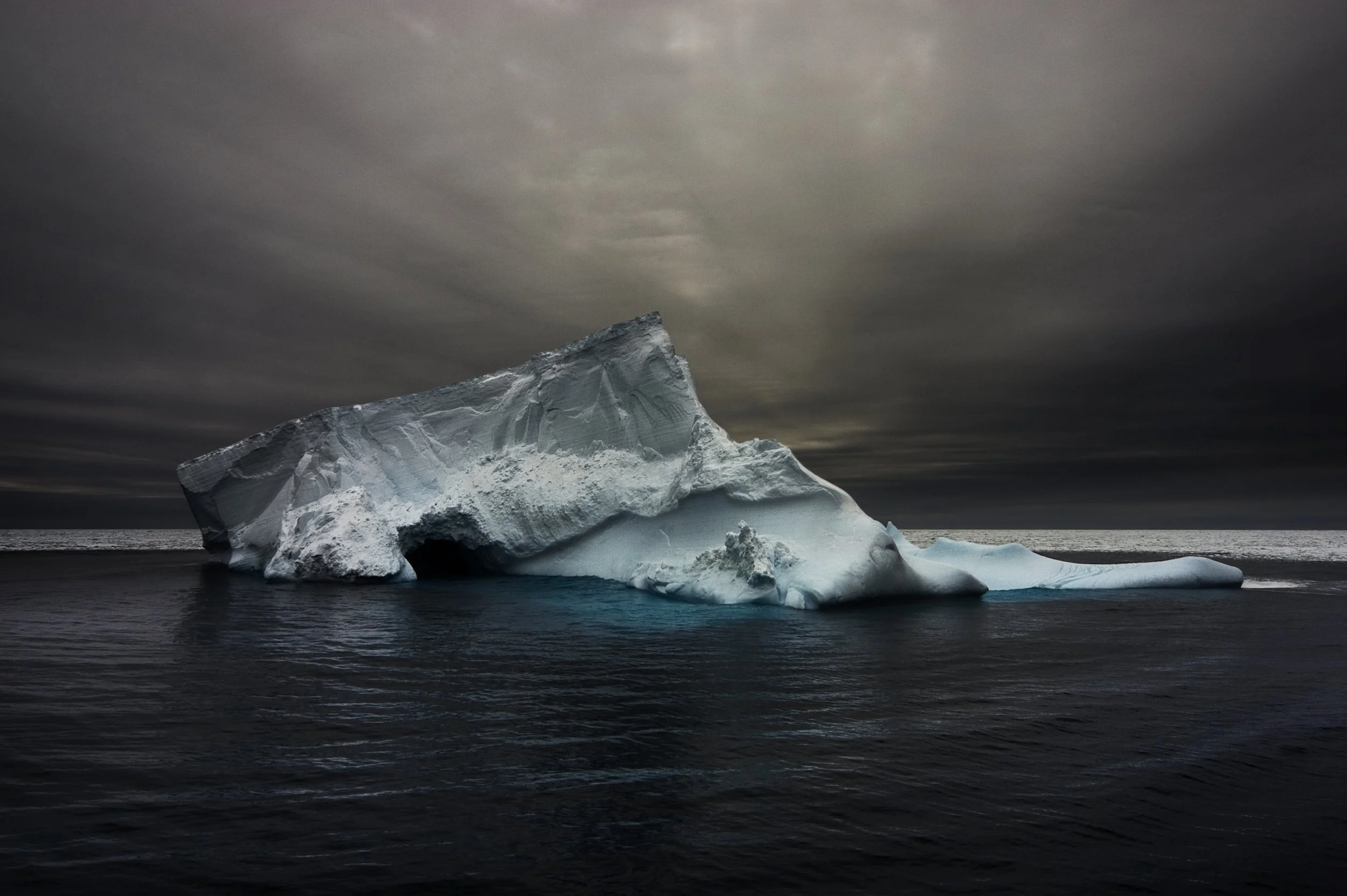
The Cold Edge by David Walsh

Neelambari Phalkey, PhD
Listening to the Tides
Neelambari Phalkey is an Indian-born multidisciplinary researcher and artist, raised in Mumbai and now based in Birmingham, UK. Holding a PhD in Human Geography, she seamlessly blends academic rigor with artistic expression to address global challenges such as the climate crisis and environmental justice. Through her art, Neelambari translates complex academic ideas into emotionally resonant experiences that foster awareness and inspire environmental stewardship, bridging research and public understanding to spark vital conversations. As Director at Culture Declares Emergency and advisor to various organisations, she focuses on uncertainties and resilience within human and natural systems, especially in marginalised landscapes.
Her project Listening to the Tides explores the Sundarbans delta—the world’s largest mangrove ecosystem—through painting and photography. The work captures the shifting rhythms of land and water, documenting life shaped by tides, cyclones, and climate uncertainty. By mapping this fragile landscape, the project contributes to a broader understanding of ecological interdependence, amplifying voices from threatened environments and fostering cultural resilience.
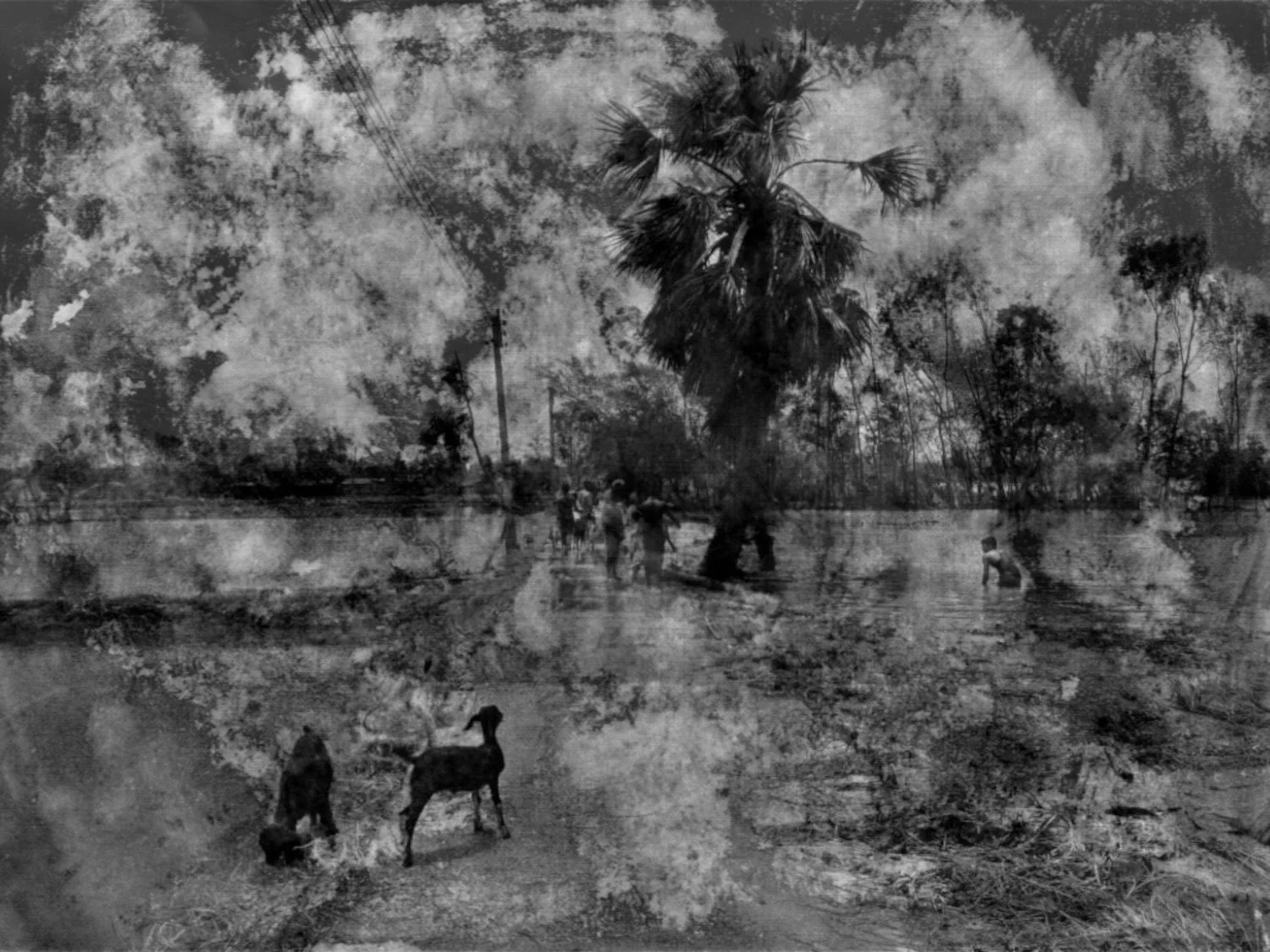
Listening to the Tides, Indian ink and photograph by Dr Neelambari Phalkey.

Seyi Adelekun
Àgbo – Our Polluted Waters are Medicine
Seyi Adelekun is an interdisciplinary artist whose practice interweaves installation, ritual, performance, and sound to explore ecological connection, indigenous knowledge, and environmental justice. Rooted in Yoruba cosmology and eco-spirituality, their work honours oral and embodied traditions as forms of resistance and healing.
Their performance Àgbo – Our Polluted Waters are Medicine, created during a residency at G.A.S. Foundation in Lagos, offers a cathartic ritual of grief and reverence to the sacred Osun River. Using water from Nigeria’s contaminated waterways, including Oshun’s, Seyi invited participants to symbolically cleanse the body, invoking the healing paradox at the heart of Yoruba belief: polluted water can still be sacred. Through storytelling, somatic movement, and sonic immersion, the work navigates tensions between faith and toxicity, ancestral resilience and ecological collapse.
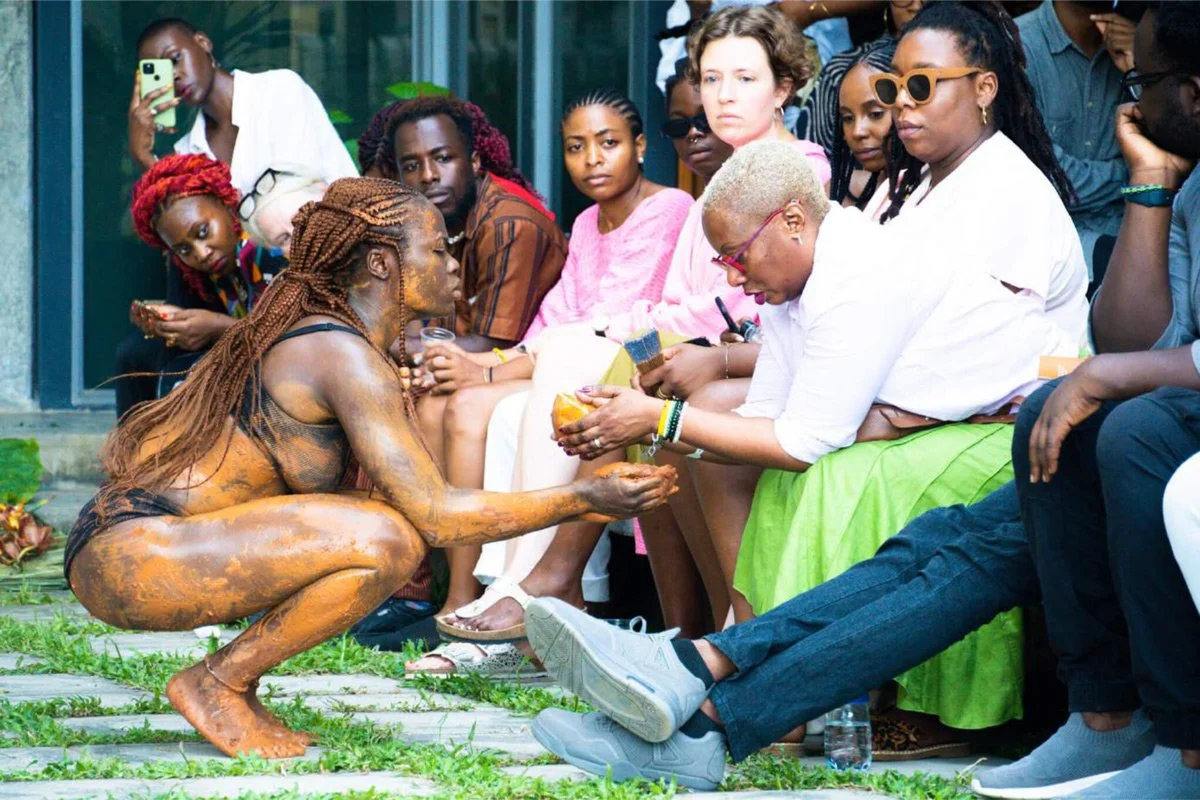
Àgbo – Our Polluted Waters are Medicine by Seyi Adelekun

Leticia Valverdes
Through the Eyes of the Munduruku
Leticia Valverdes is a Brazilian visual artist and photographer based in the UK, whose practice centers on storytelling, deep listening, and collaborative image-making. Her work spans fine art, film, and documentary, with a strong focus on indigenous conservation issues in the Amazon. Her projects have been exhibited internationally and featured in major publications including The Guardian, BBC Planet Earth, and Sunday Times Magazine. She has published three monographs and received awards from the Royal Photographic Society and Arts Council England.
Through the Eyes of the Munduruku is a collaborative photo and film project with children from the Sawre Muybu village along the Tapajós River. Using contaminated water, earth, leaves, and fire, the children co-create powerful visual statements about mercury pollution, land invasions, and resilience—turning ecological grief into creative resistance.
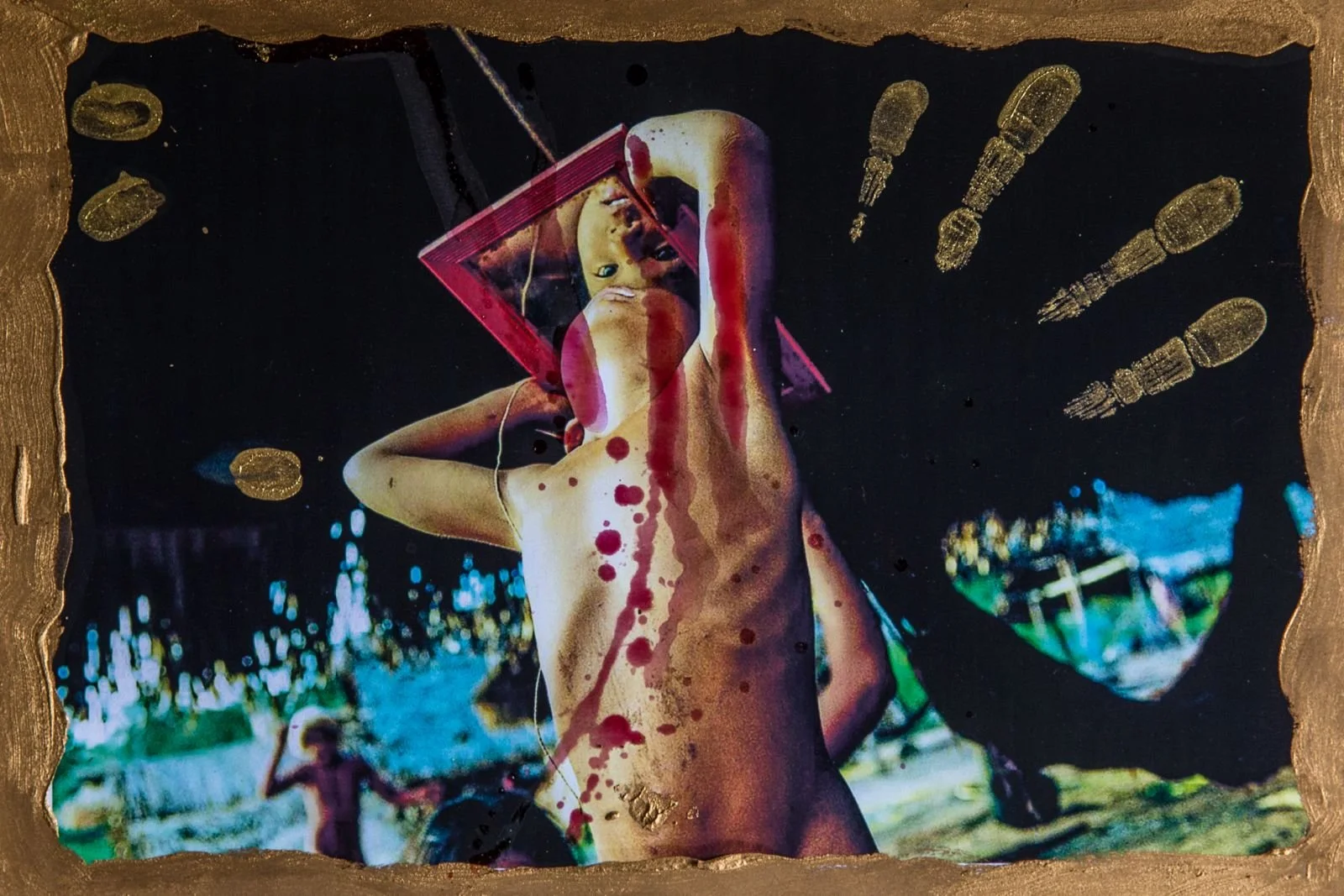
And now my children know by Leticia Valverdes.